Photography
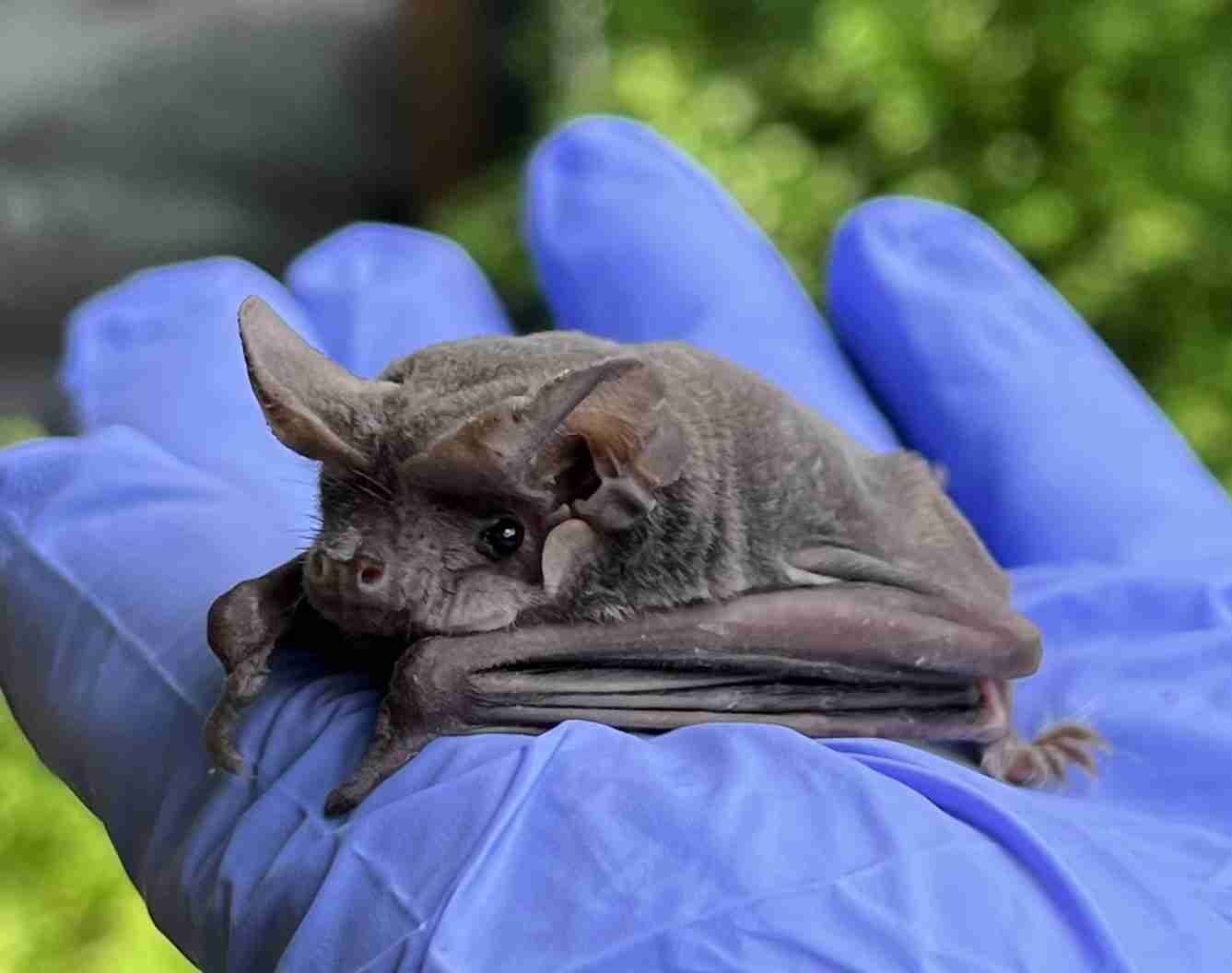
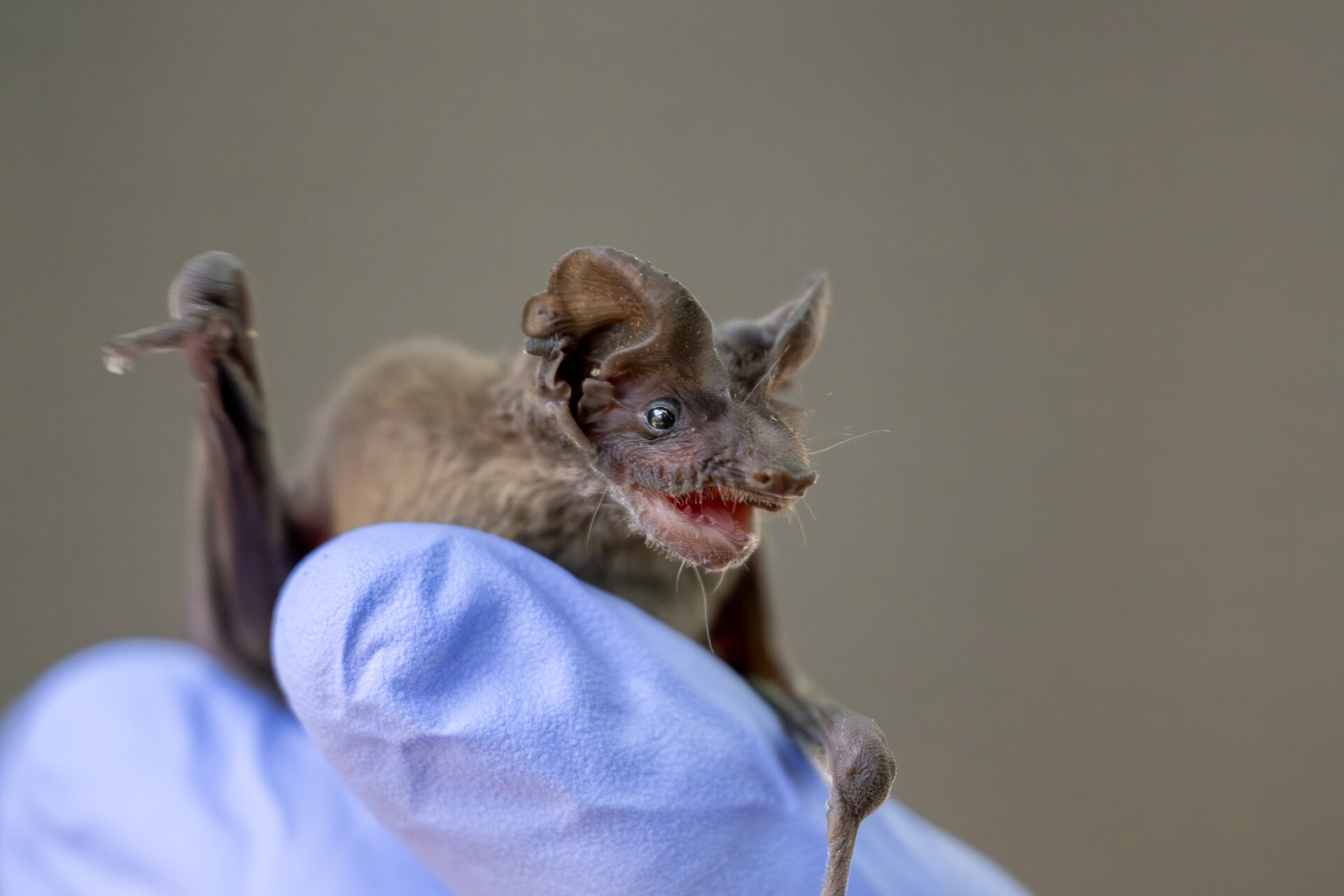
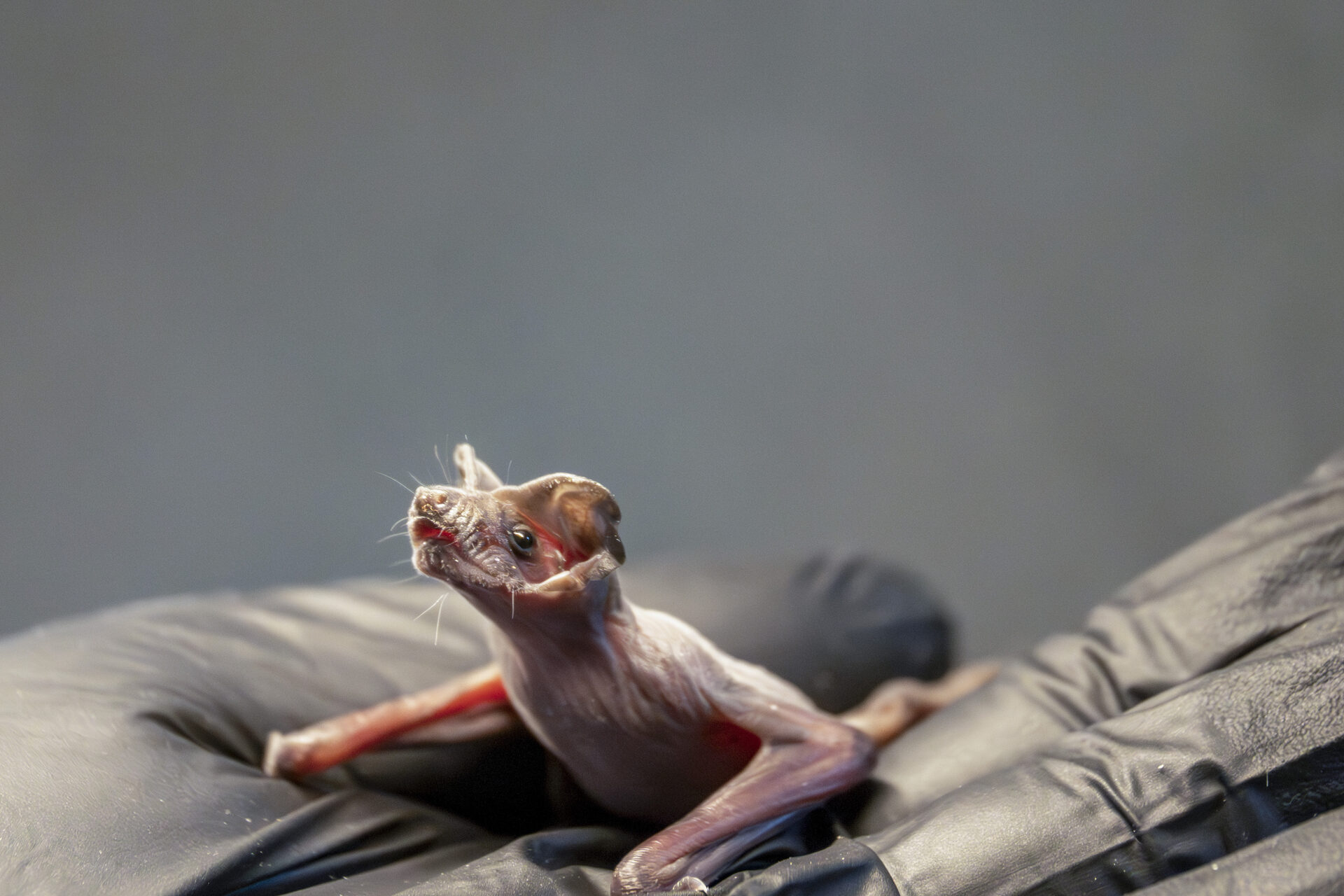
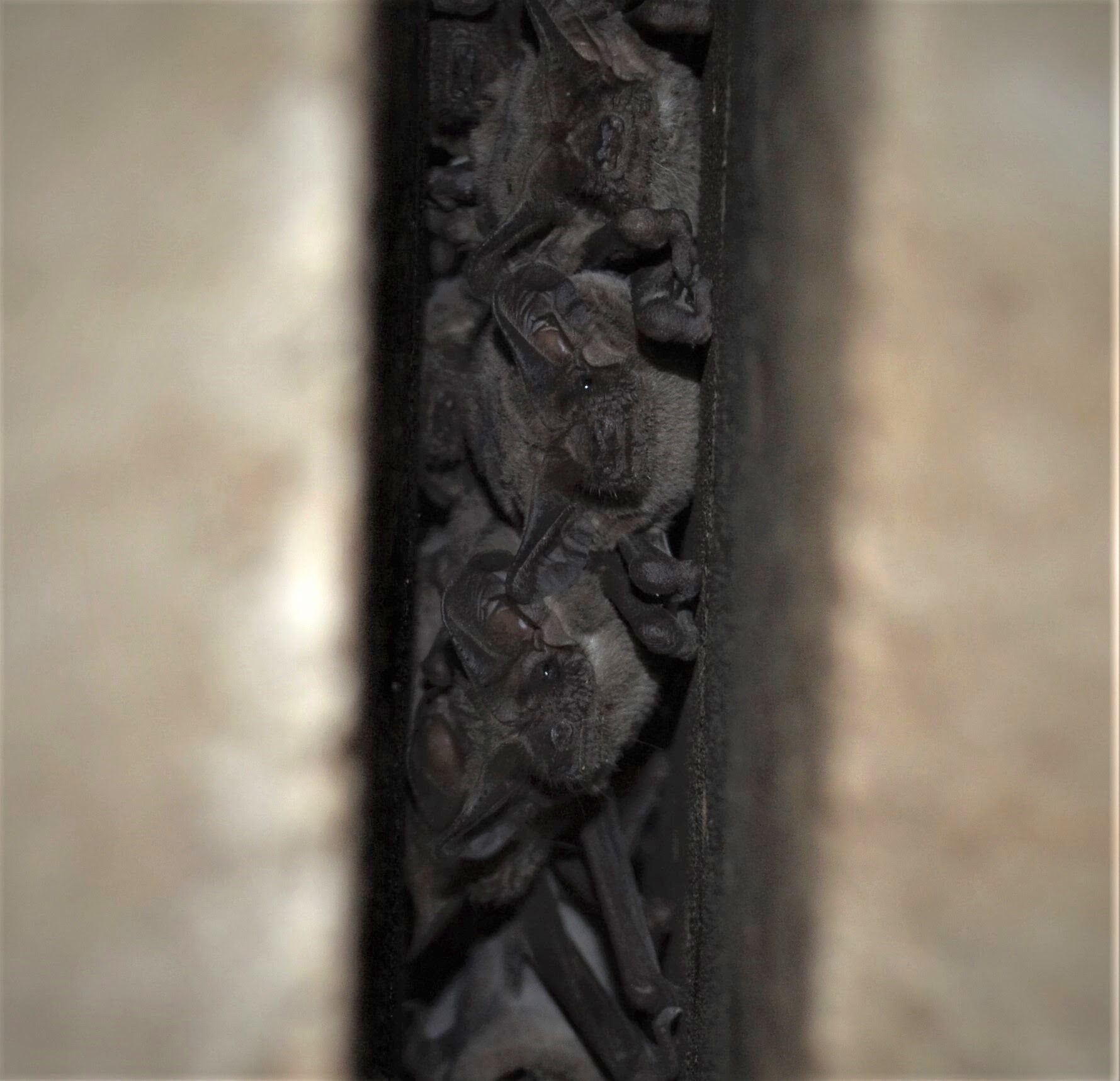
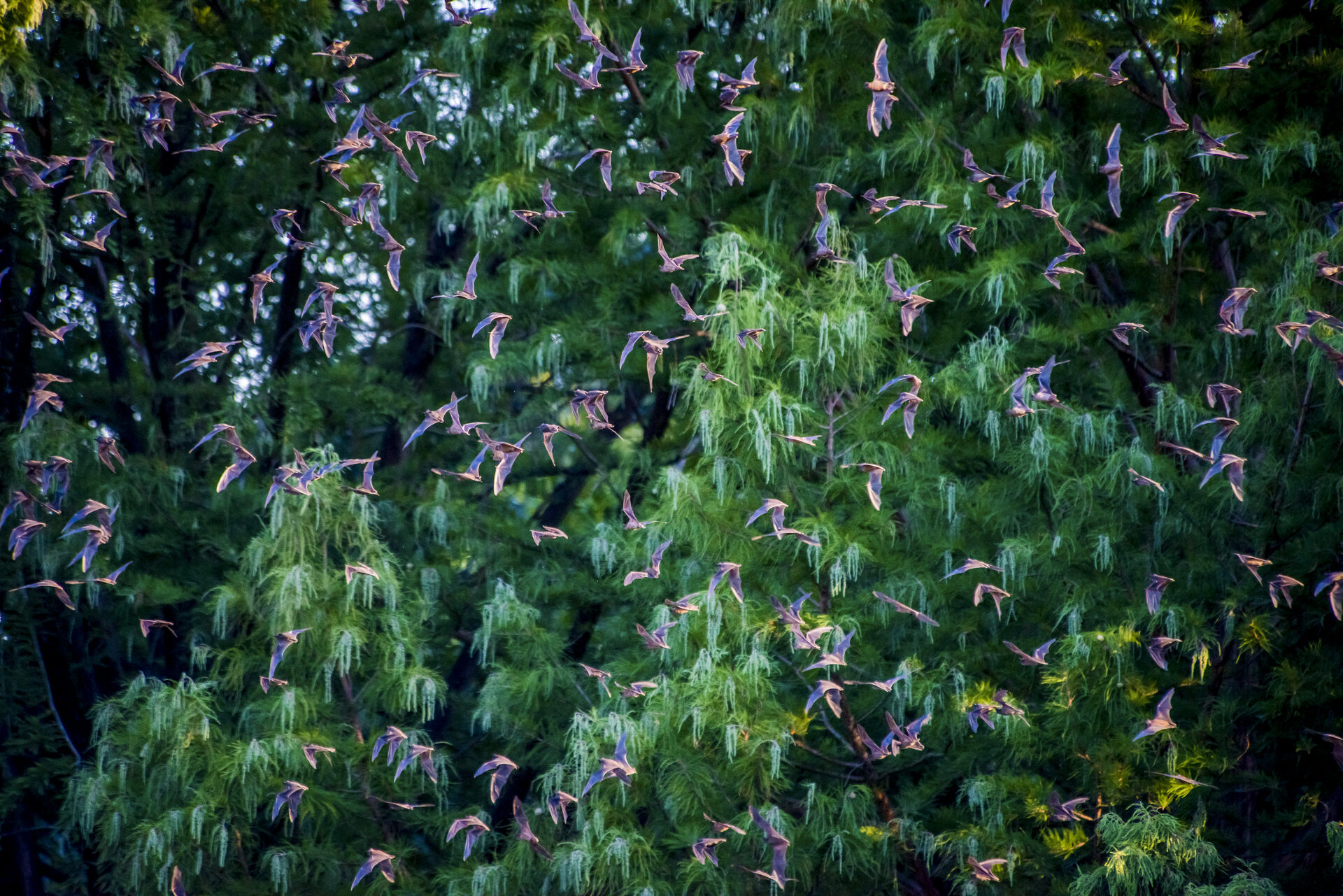
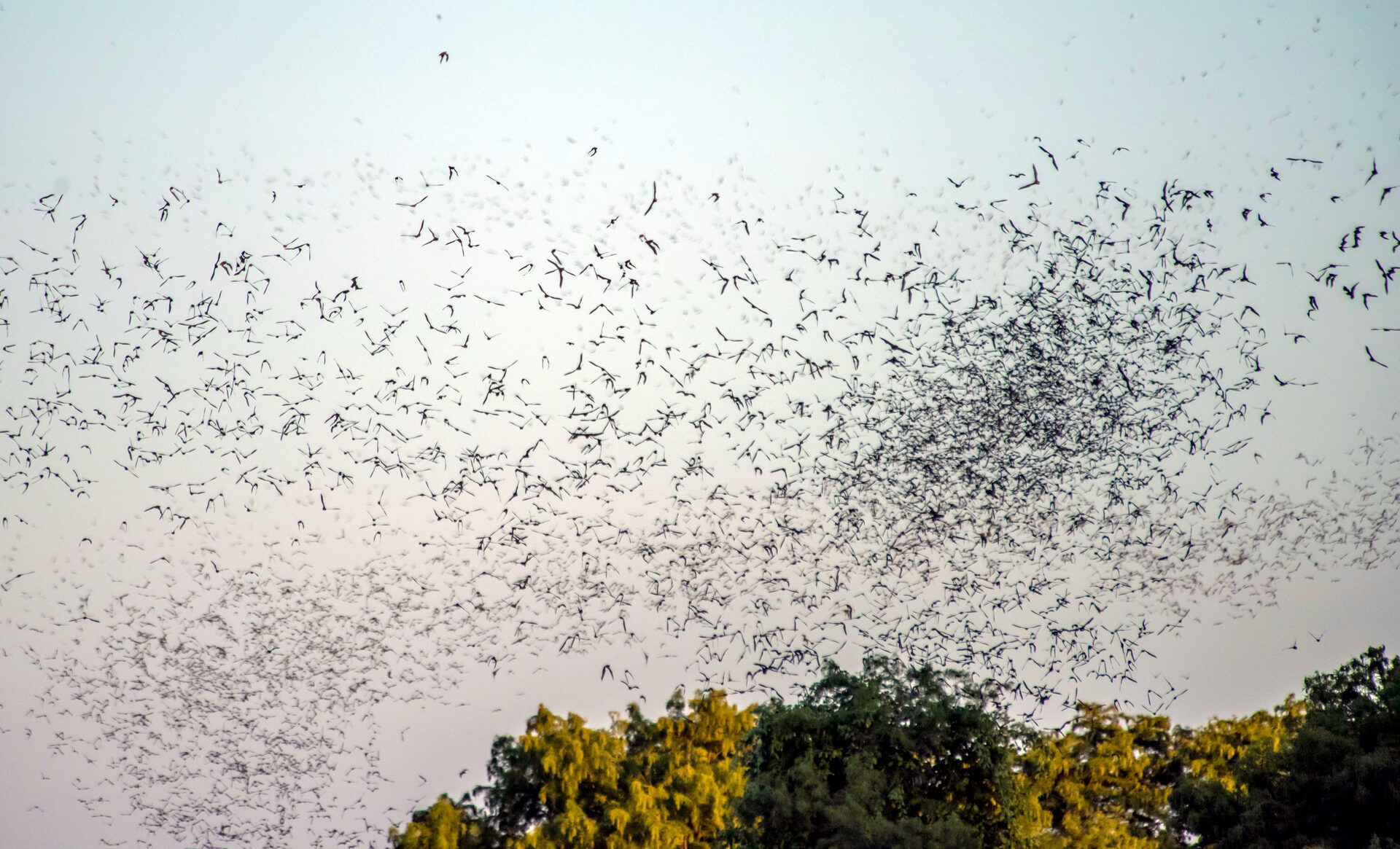
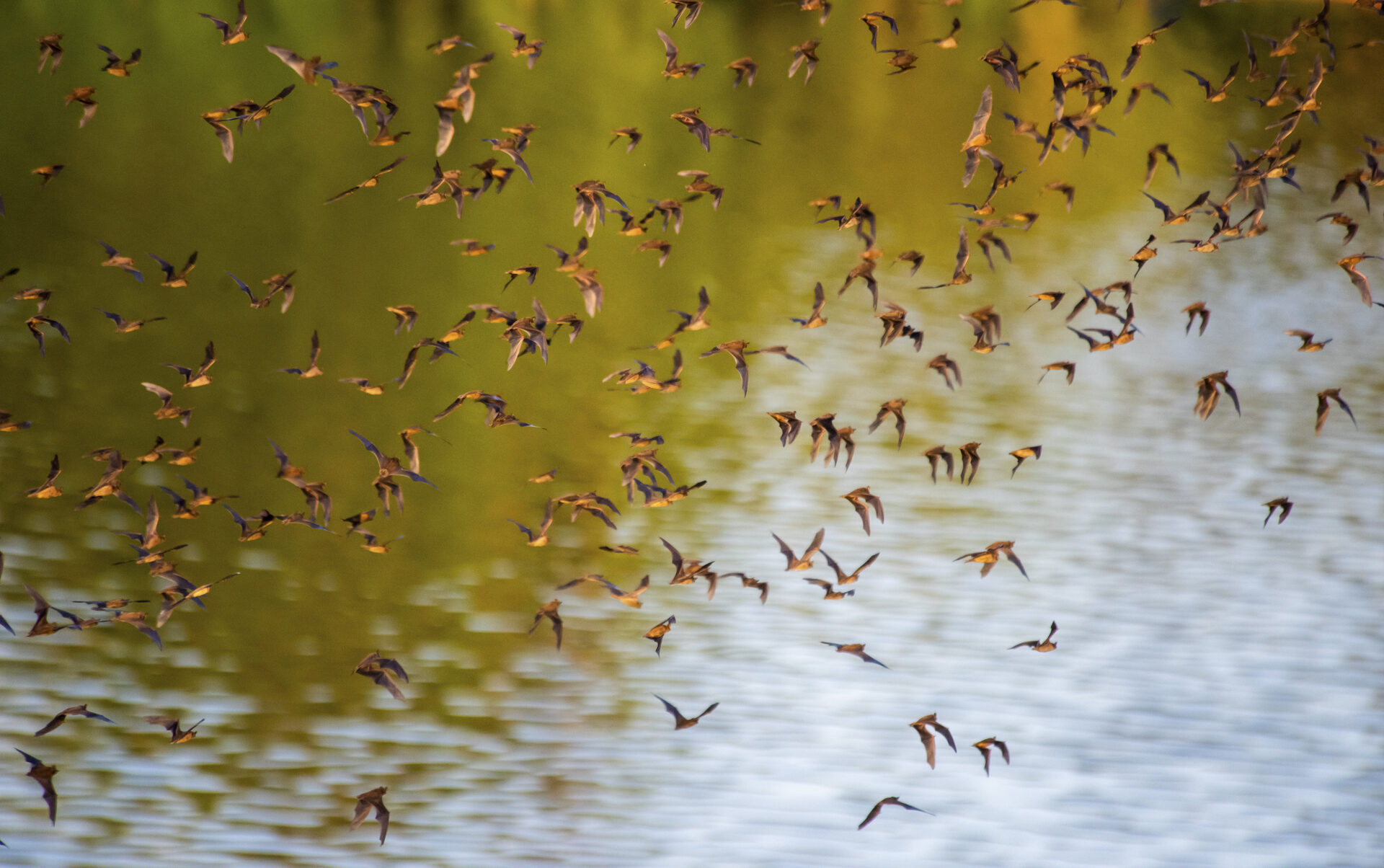
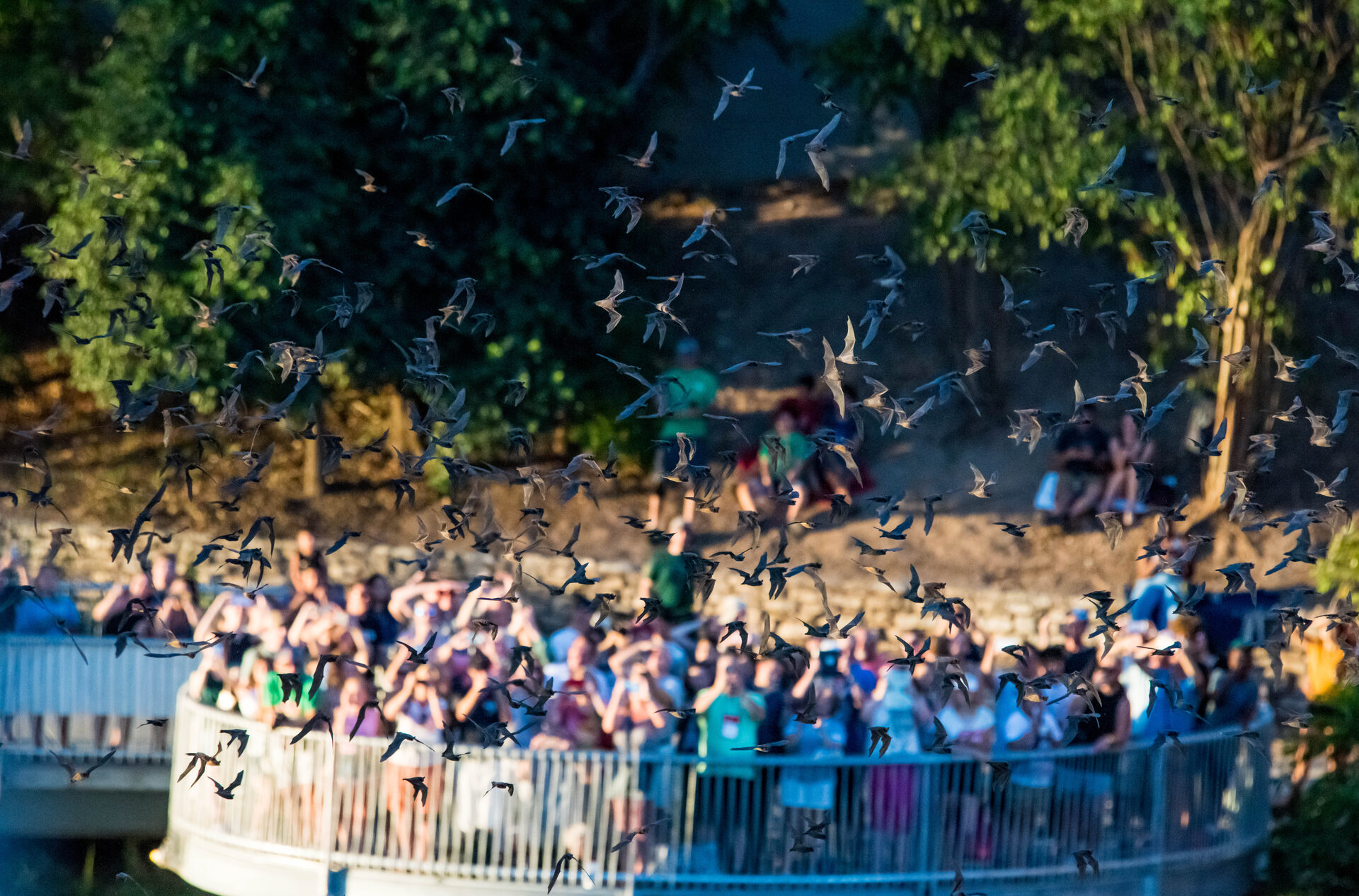
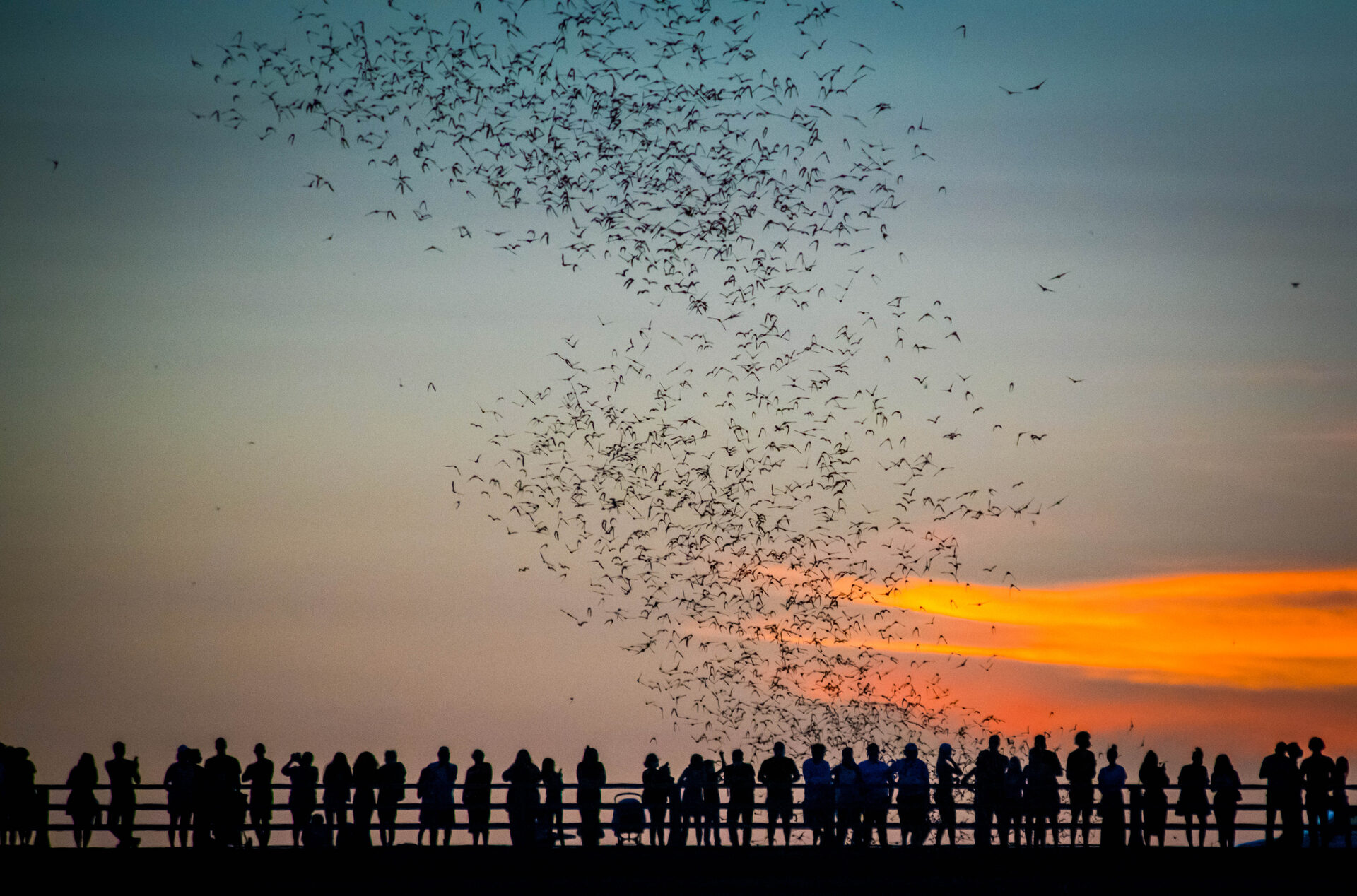
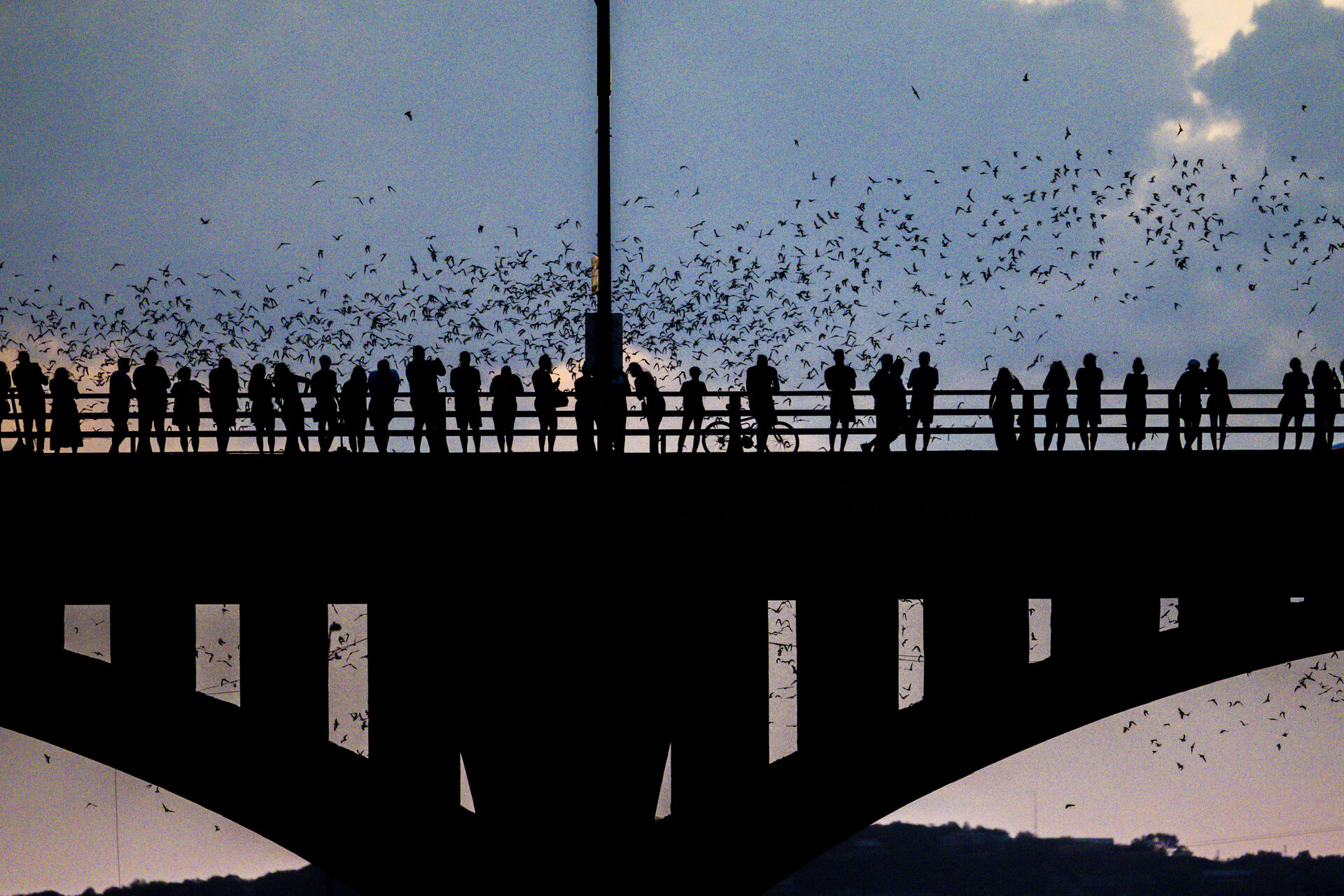
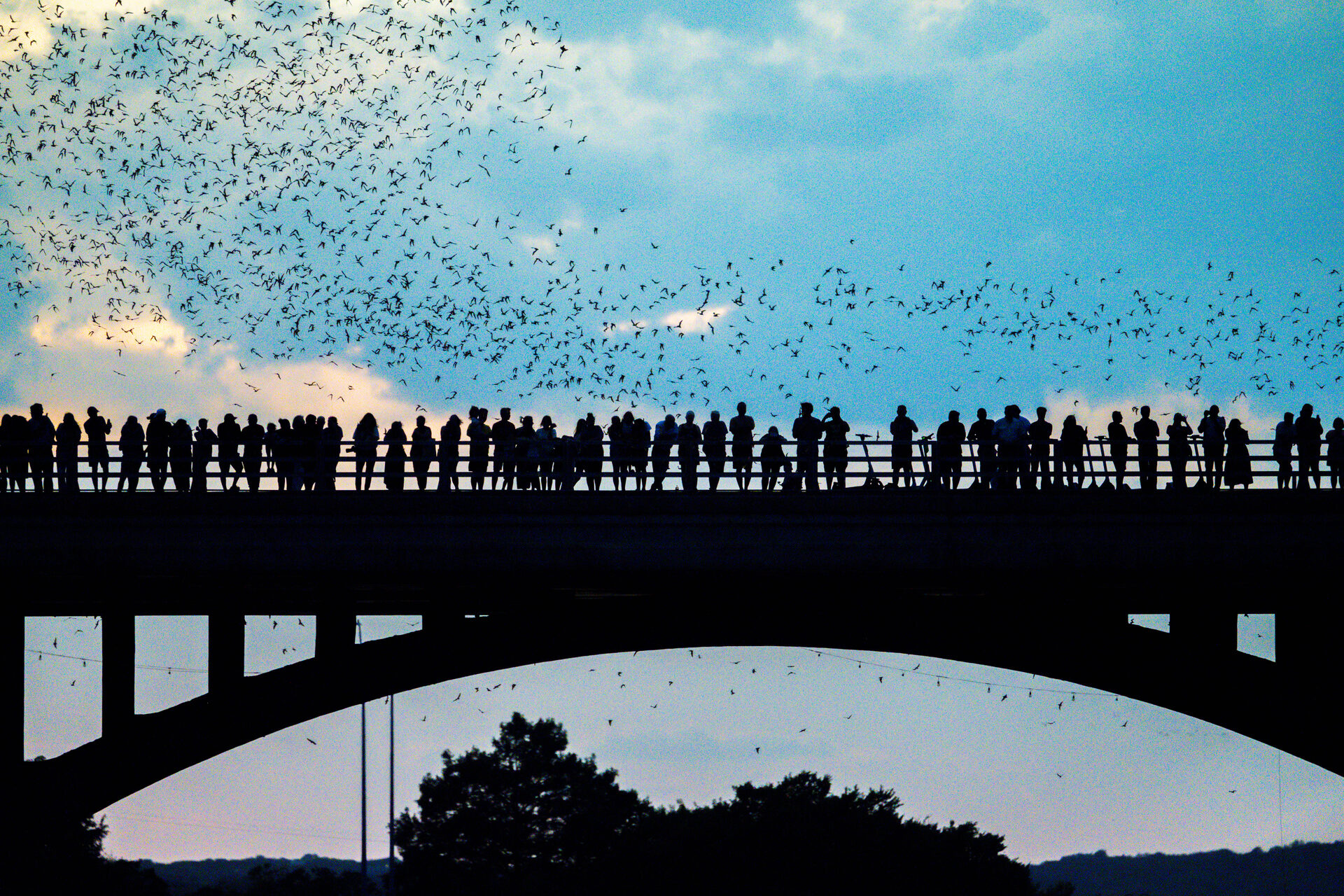
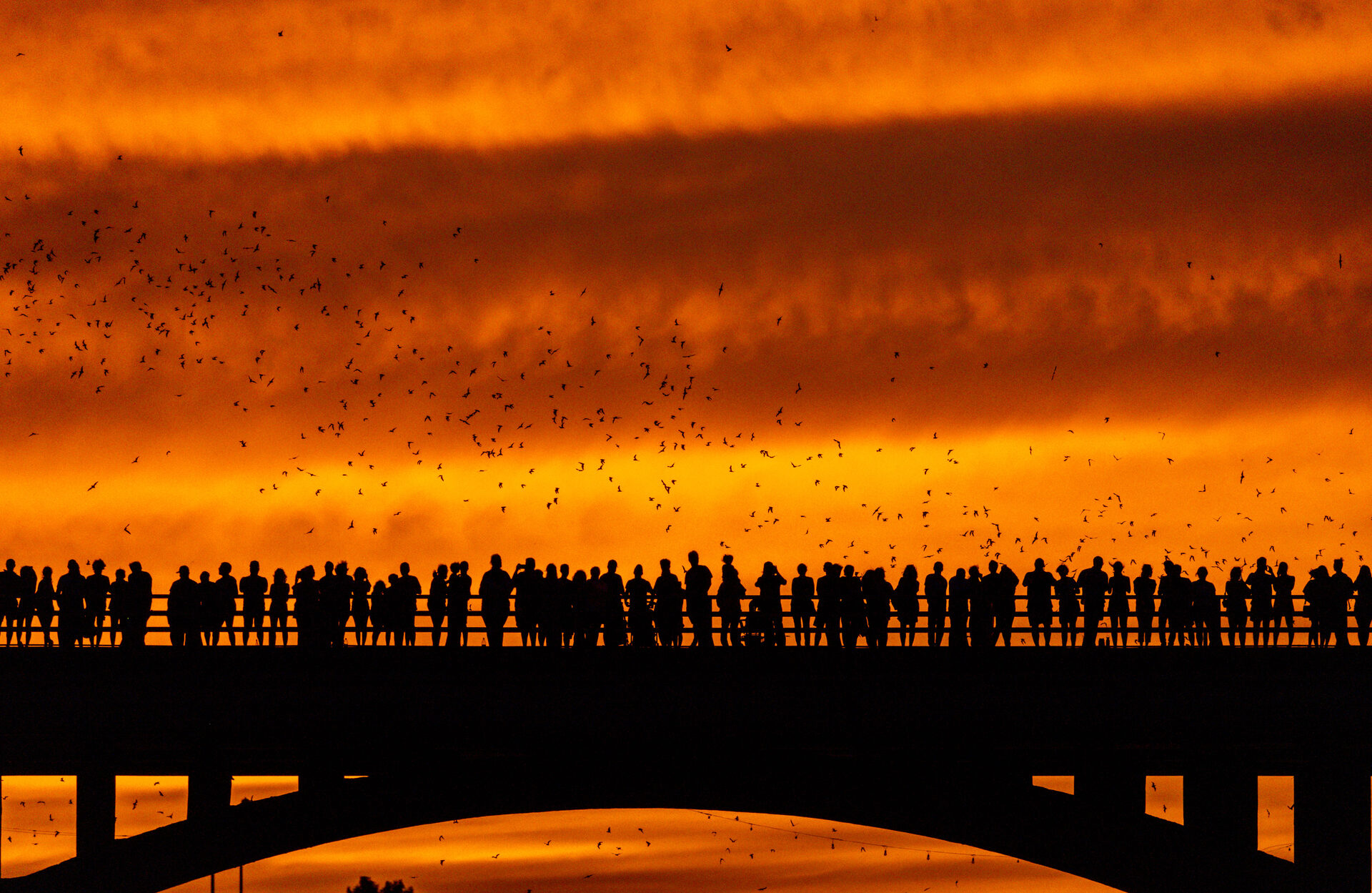
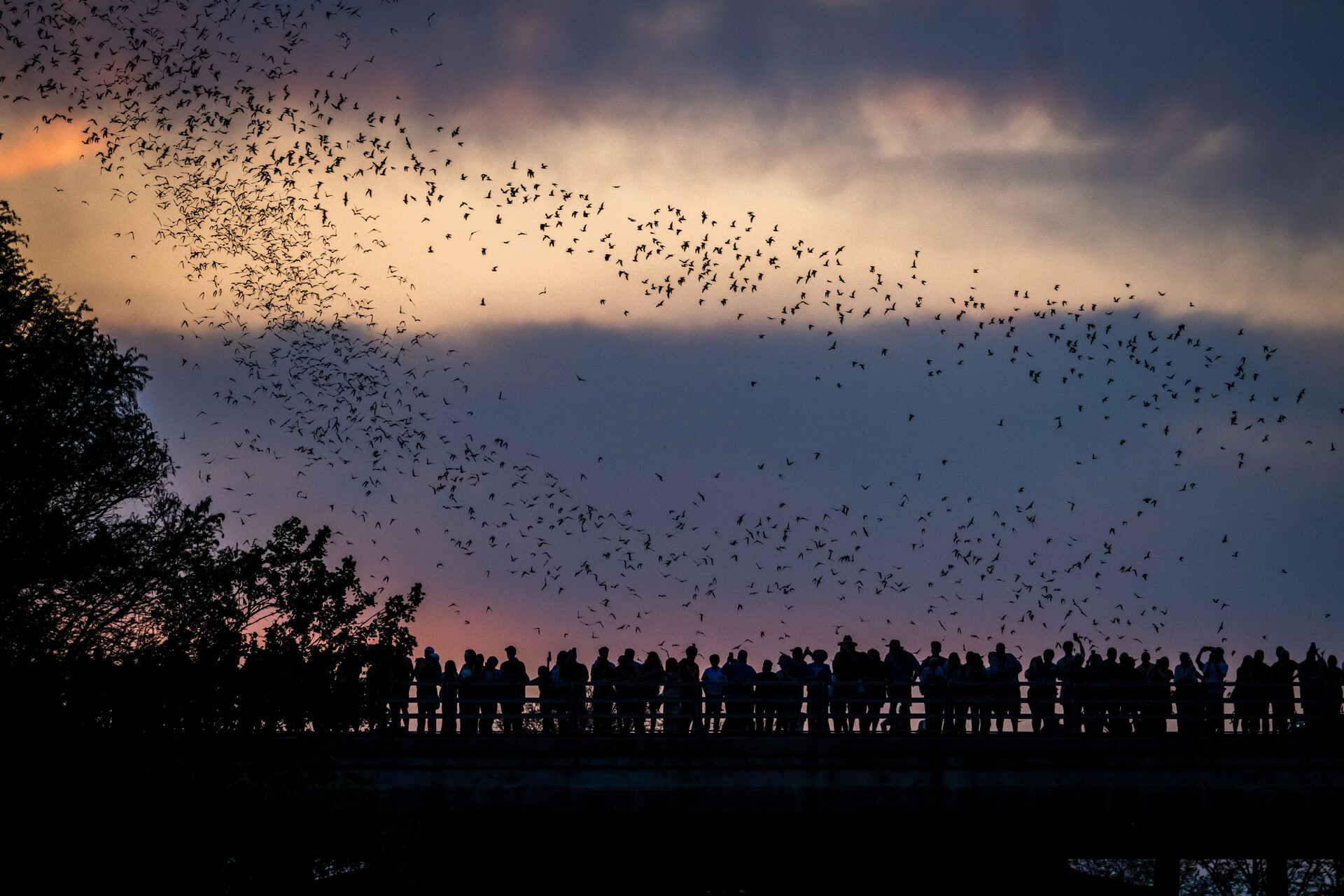
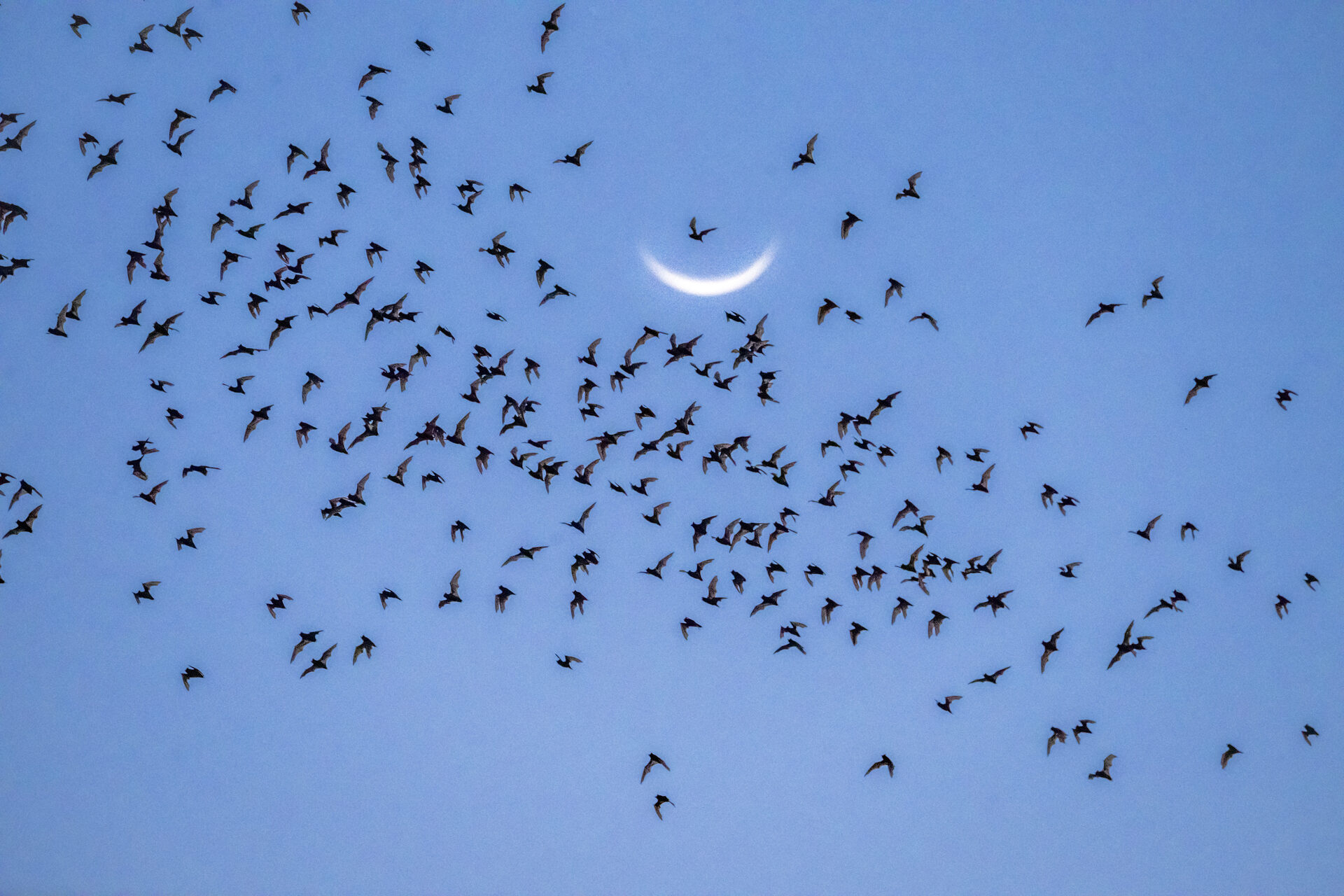
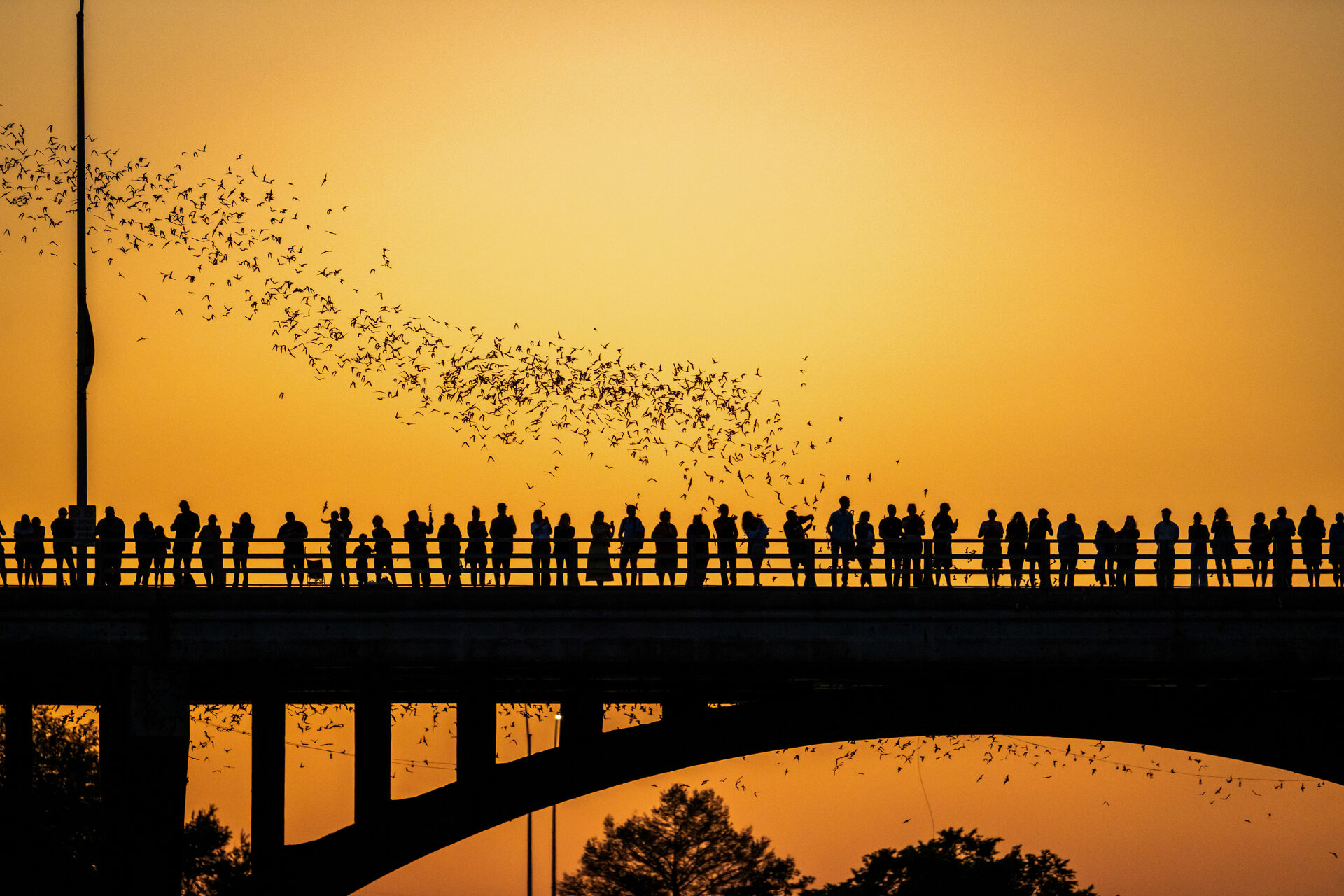
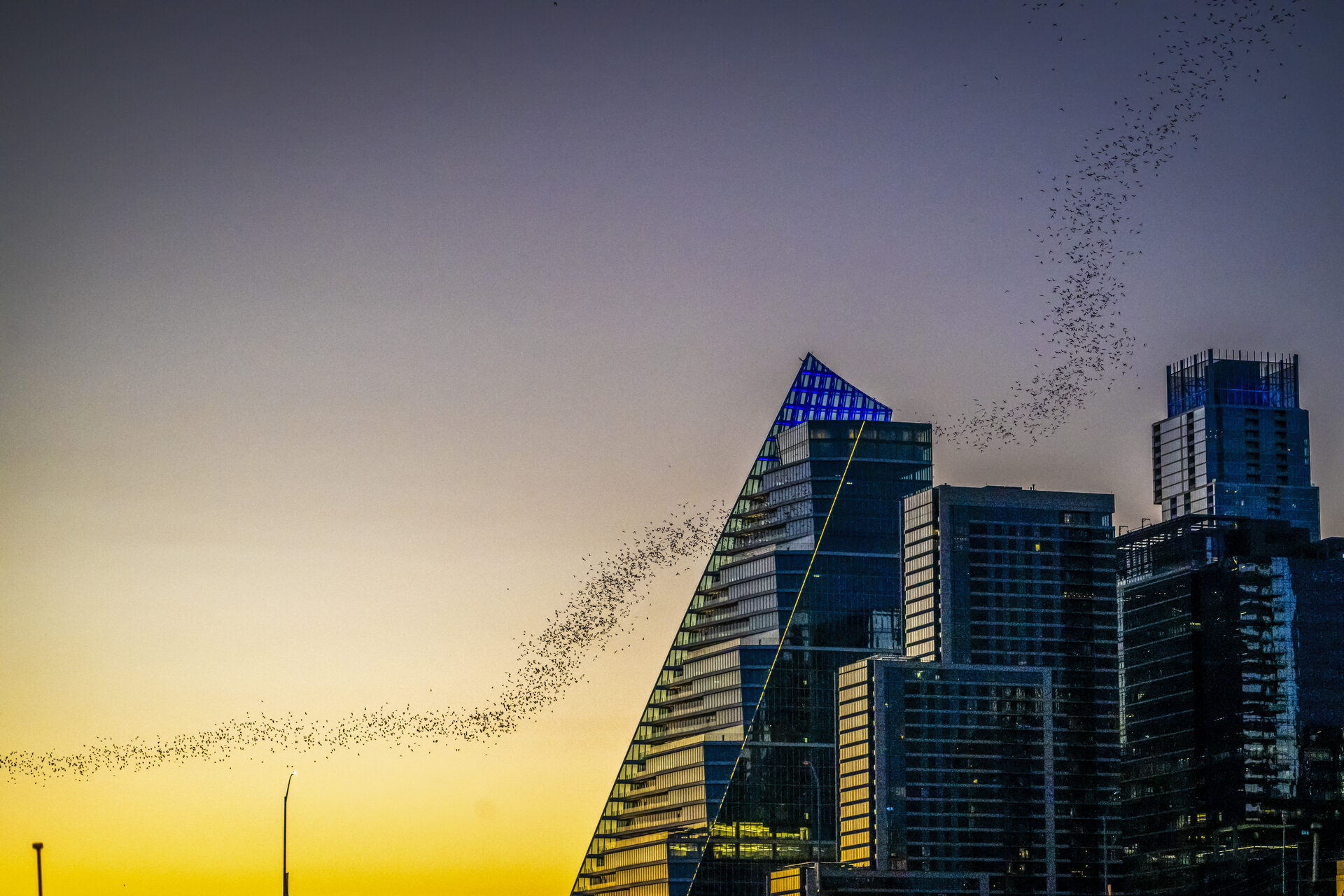
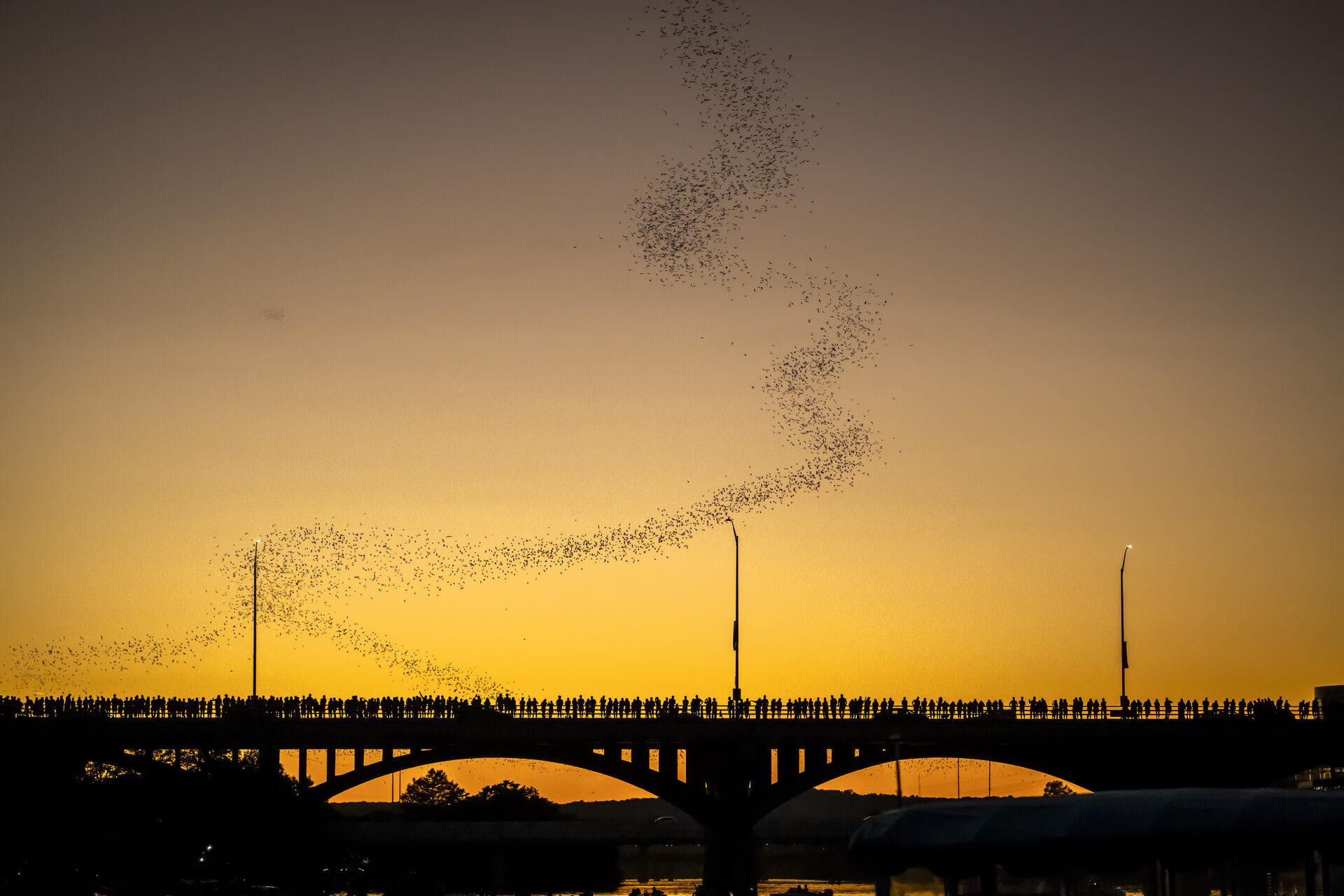
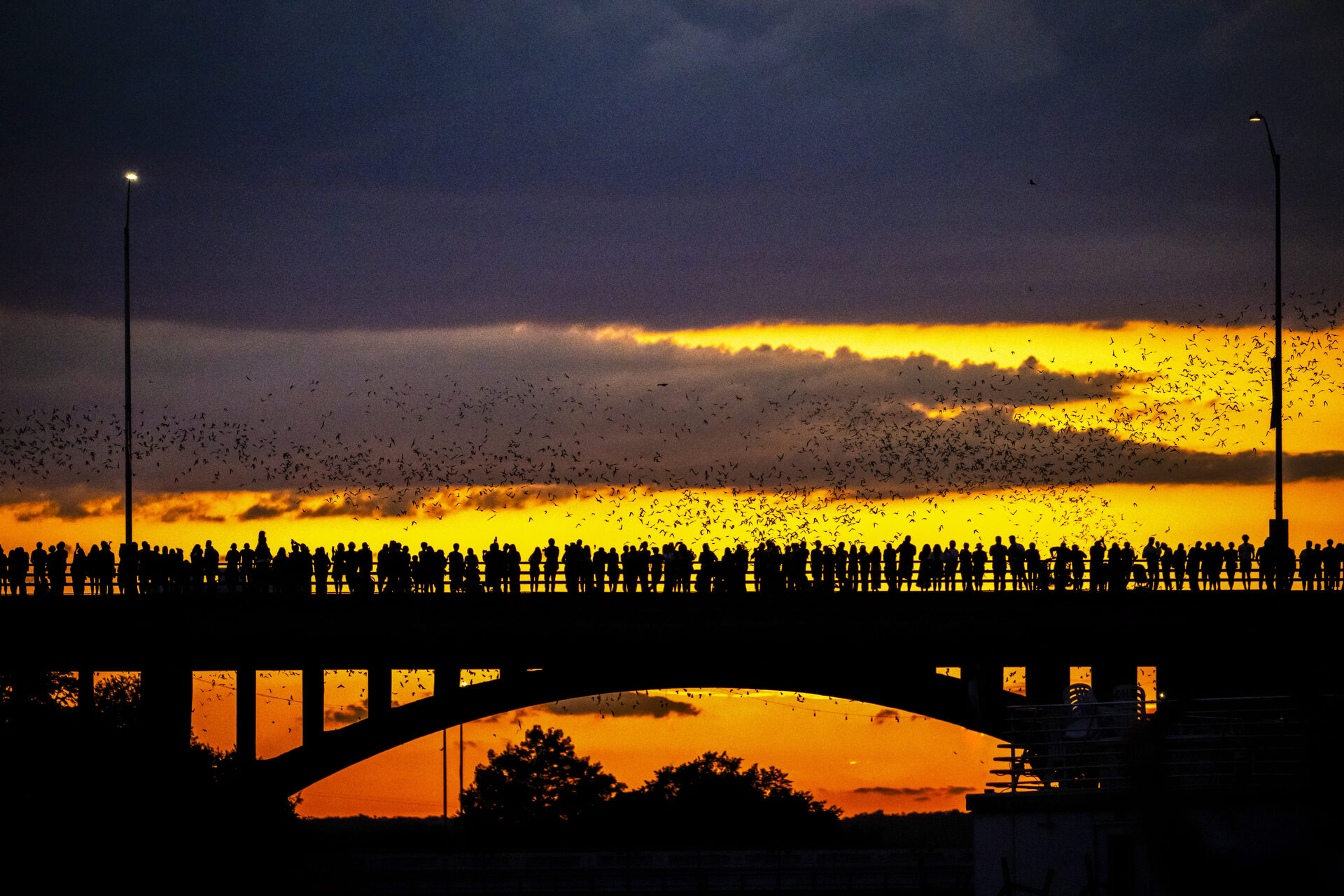
The Colony in Photos
Austin's most spectacular natural wonder. The largest urban bat colony in the world — and Austin Bat Refuge has been your trusted guide here for over a decade.
Up to 1.5 million Mexican free-tailed bats · Every evening March–October · Free to watch
Our start of flight time prediction for Monday, October 12, 2026 is between
Given that winds stay low & little chance of rain. Sunset at 7:04 pm. Chance for a great flight tonight, but will likely be just before or just after dark. Partial migrations are starting, with some bats leaving Congress and others arriving from the north. Flight Time Conditions predicted to be Chance of Rain 6%, Temperature 84°F, Winds SE at 8 mph
Given the right conditions, bats will generally emerge just before dark here in early fall. Times vary depending on cloud cover; cloudy nights usually see earlier flights, while clear skies can make for later flights. Bats can sometimes bust out a half hour earlier on the first night of cold fronts from the N, so get there early on those evenings. Temps below 60°F, Non-Northerly Winds over 10 mph, Good Rain Chances, or Waxing Gibbous to Full Moons can suppress or diminish flights.
Updated daily by Austin Bat Refuge staff · Last updated October 12, 2026
Flight started at 7:30 pm
Starting 26 minutes after sunset (right about dark on an evening with A Few Clouds), a snapshot at 7:43 pm showed only 1% of the colony heading 6 miles NNE (2% of them at altitude) on SE Winds at 14 mph - had been southerly 13-16 mph with gusts 24-26 mph all afternoon, Visibility 10 miles, A Few Clouds, Temperature 84°F, Dew Point 62° rising, 15 Cooling Degree Days, Cloud Base 5016', RH 48% rising, Heat Index 85°F, BP 29.99 rising, Sea Level pressure 1014.5 rising, bats viewable until 8:23 pm under streetlights
Still good viewing, when viewed from under the bridge on the SE side. despite most bats waiting for reverse migrating moths to arrive on N winds
Beneath the Ann W. Richards Congress Avenue Bridge lives a colony of approximately 1.5 million Mexican free-tailed bats (Tadarida brasiliensis) — the largest urban bat colony in the world and one of the most awe-inspiring wildlife spectacles on the planet.
Each evening from March through October, the bats pour out from the bridge's expansion joints in a swirling, undulating stream that can last up to 45 minutes. The sky darkens with wings. It is, simply, unforgettable.
Austin Bat Refuge is the only organization with up-close experience at this site. We've staffed the public education table at the bridge every weekend for over a decade.
The same species that fills the Congress Avenue Bridge every evening — filmed in flight. One and a half million emerge each night in a stream that lasts up to 45 minutes.
All three spots are free, family-friendly, and within 100 yards of each other. You cannot get a bad view — pick the one that fits your group.
Flight times and conditions for the last seven nights at Congress Avenue Bridge.
| Day | Date | Flight Time | Congress Ave Bridge Snapshot / Flight-time Conditions |
|---|---|---|---|
| Saturday | 17 Oct 2026 | 7:30 pm | Starting 26 minutes after sunset (right about dark on an evening with A Few Clouds), a snapshot at 7:43 pm showed only 1% of the colony heading 6 miles NNE (2% of them at altitude) on SE Winds at 14 mph - had been southerly 13-16 mph with gusts 24-26 mph all afternoon, Visibility 10 miles, A Few Clouds, Temperature 84°F, Dew Point 62° rising, 15 Cooling Degree Days, Cloud Base 5016', RH 48% rising, Heat Index 85°F, BP 29.99 rising, Sea Level pressure 1014.5 rising, bats viewable until 8:23 pm under streetlightsStill good viewing, when viewed from under the bridge on the SE side. despite most bats waiting for reverse migrating moths to arrive on N winds |
| Sunday | 11 Oct 2026 | 7:30 pm | Starting 37 minutes after sunset (about 15 minutes after dark on a Partly Cloudy evening), a snapshot at 8:09 pm showed 19% of the colony heading 10 miles S (1% of those at altitude) on N Winds at 8 mph - had been N 12-14 mph most of the afternoon with gusts to 24 mph around 2:30 pm, Visibility 10 miles, Partly Cloudy, Temperature 76°F, Dew Point 56° falling, 14 Cooling Degree Days, Cloud Bast 4560', RH 50% rising, Heat Index 78°F, BP 30.03 rising, Sea Level pressure 1016.3 rising, bats viewable until 8:45 pm under streetlightsThe bats rode surface-level northerlies 8 miles S |
Fall Migration 2025: We estimate between 80,000 to 100,000 bats overwintered at the bridge and up to 300k in Austin. Jan 9 – 98,766 flew – some 6 miles WSW with most heading 10 miles ESE Dec 28 ~166,474 foraged locally Dec 18 ~148,790 bats flew (86,450 of those migrated) Dec 10 ~12,780 flew 12 miles SSE. Nov 25 ~389,900 flew with 85,300 of those in migration. Nov 24 a snapshot showed 1,562,494 in flight Nov 10 ~88,570 migrated. Nov 7 ~837,350 flew on a north front, some foraging locally – most migrated. Oct 28 partial migration of ~581,00. Oct 21 200,000 in first partial migration.
The TIRZ (Tax Increment Reinvestment Zone) that was to fund much of the infrastructure in the South Central Waterfront district has been shot down by the courts (See Austin American-Statesman article about what is happening on their former location at bottom of page). This tool, normally used to re-develop blighted areas, was touted as a way to pay for amenities in the upscale SCW, but now that vision has gotten a wake-up call from the courts and is once more up for negotiation between developers and the taxpayers.
The Trinity Bridge: Project Connect has settled on the Trinity Bridge option, but we leave our opinion below: We do not know all the implications of the separate design options for Project Connect and the potential light rail bridge crossing Town Lake. But strictly speaking from the bat’s perspective: We are not in favor of a proposed Trinity St bridge (pictured below in the path of the bat flight) We feel it could inhibit the Congress Avenue Bridge bats from exiting the city, endangering what might be a $20 million / year economic engine for the City of Austin. Do we want to lose them by walling them in with high-rises of the South Central Waterfront to the south, the existing high-rises to the north, and the ever growing Rainey St wall, while adding the proposed Trinity St bridge to the east, directly in their flight path? We would prefer the First St bridge options (the black line to the west of Congress Avenue Bridge) for any light rail river crossing, so as not to squeeze the bats even further. Considering all the river development in a holistic manner is imperative. The Congress Avenue Urban Design Initiative (CAUDI), the Statesman PUD, proposed Trinity St bridge, & Rainey St, may be happening concurrently, and the existing Line – 4 Seasons high rises will complete the box. Do we know the combined effect?
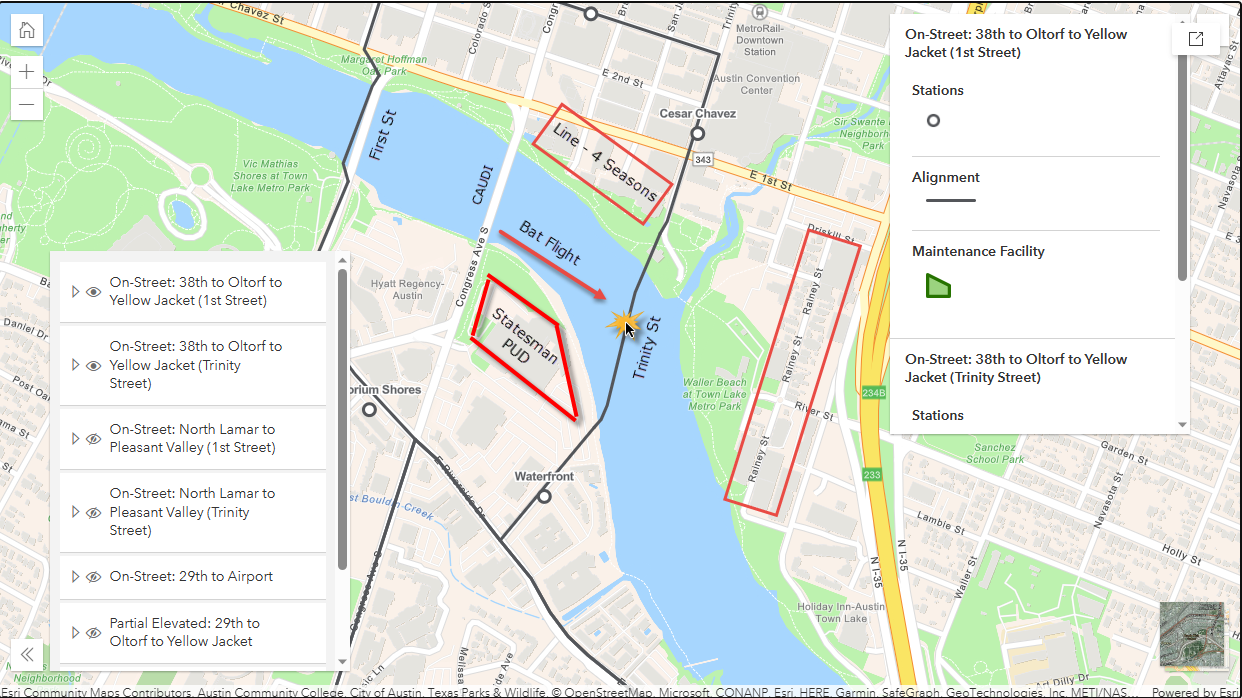
The wall of high-rises at Rainey Street is almost impenetrable for bats as it is. Has environmental revue considered the bats in their review process? The city did not require environmental impact surveys for wildlife in the Statesman re-development permit process, so it seems likely they won’t for any light-rail projects. Will the height of the proposed Trinity St. bridge inhibit the bats from using the river as an exit corridor from the city? Has environmental revue considered the height of the bat flight as they pass that point of the river? The proposed Trinity St bridge could be the last-straw impediment for the Congress bats using the river as an exit corridor, in an increasingly urban canyon. Why are they proposing over 100 year-old technology, with electrical line above the bridge feeding the power to the train cars? Surely we've made some progress since Jesse James' era, when similar train cars traversed bridges in West Dallas in 1910. Is their a design plan to mitigate bat strikes on the Trinity crossing option? Another implication of the re-development part of this is that the boathouse at Waller Creek will have to be moved, with the likely new location creating more development on the south shore in front of the Oracle campus. For all these reasons, we urge you to support the First St Bridge options for Project Connect. Voice your opinion before 05May2023 at https://publicinput.com/lightrailopenhouse We would love to see the airport connected by light rail, but why is there no First St. bridge option connecting to ABIA? In other news, The Statesman newspaper is now gone Start date for demolition and construction on the site could be as early as Oct 2023
Every donation of every amount makes a difference.
Donate to Austin Bat Refuge →