http://www.bats.org.uk/pages/bats_and_lighting.html
A treasure trove of critically important information for everyone, but especially for Austin’s South Central Waterfront District
http://www.bats.org.uk/pages/bats_and_lighting.html
A treasure trove of critically important information for everyone, but especially for Austin’s South Central Waterfront District
http://www.bats.org.uk/data/files/Bats_and_Lighting_-_Overview_of_evidence_and_mitigation_-_2014.pdf
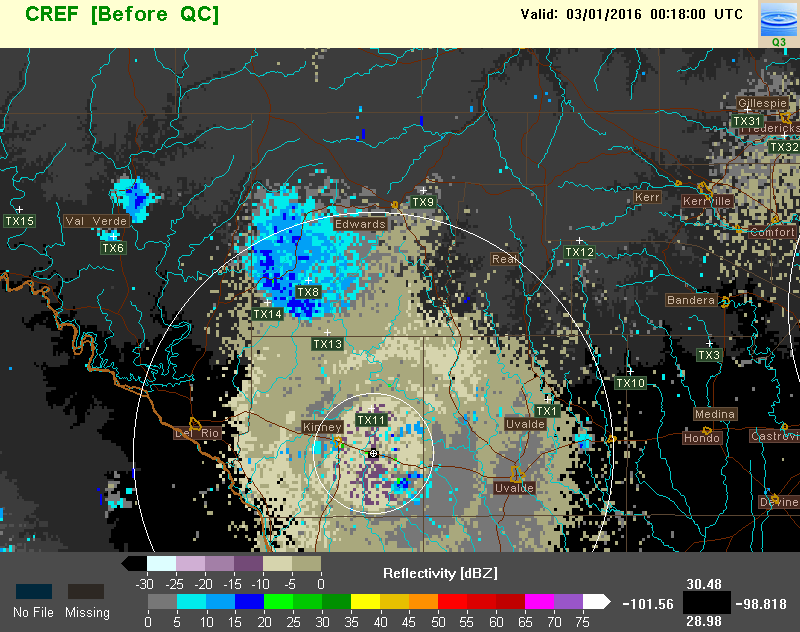
Rucker & Fern early spring 20 MB click link to left for video
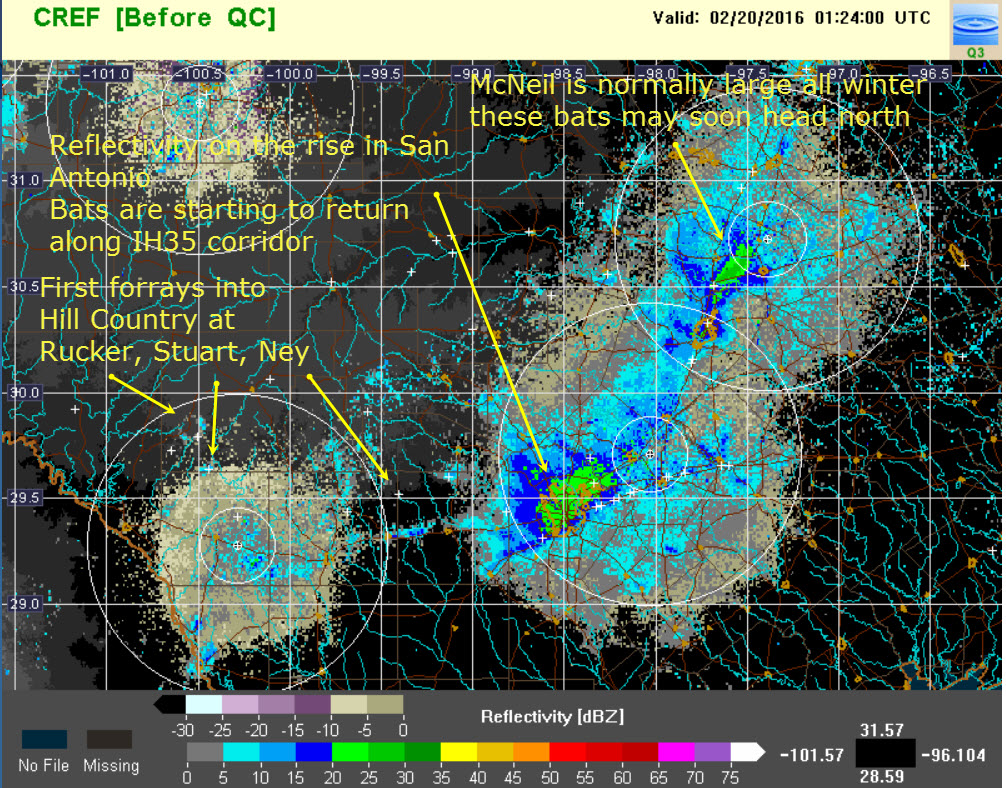
Rucker Bat Cave (TX8) in Edwards County Texas is always active this time of year, as Mexican free-tailed bats make their way back into Central Texas. This reflectivity represents many hundreds of thousands of bats. Were happy to see Fern Cave (TX6) in Val Verde County with a large emergence also, we have been seeing fewer bats there than in years past.
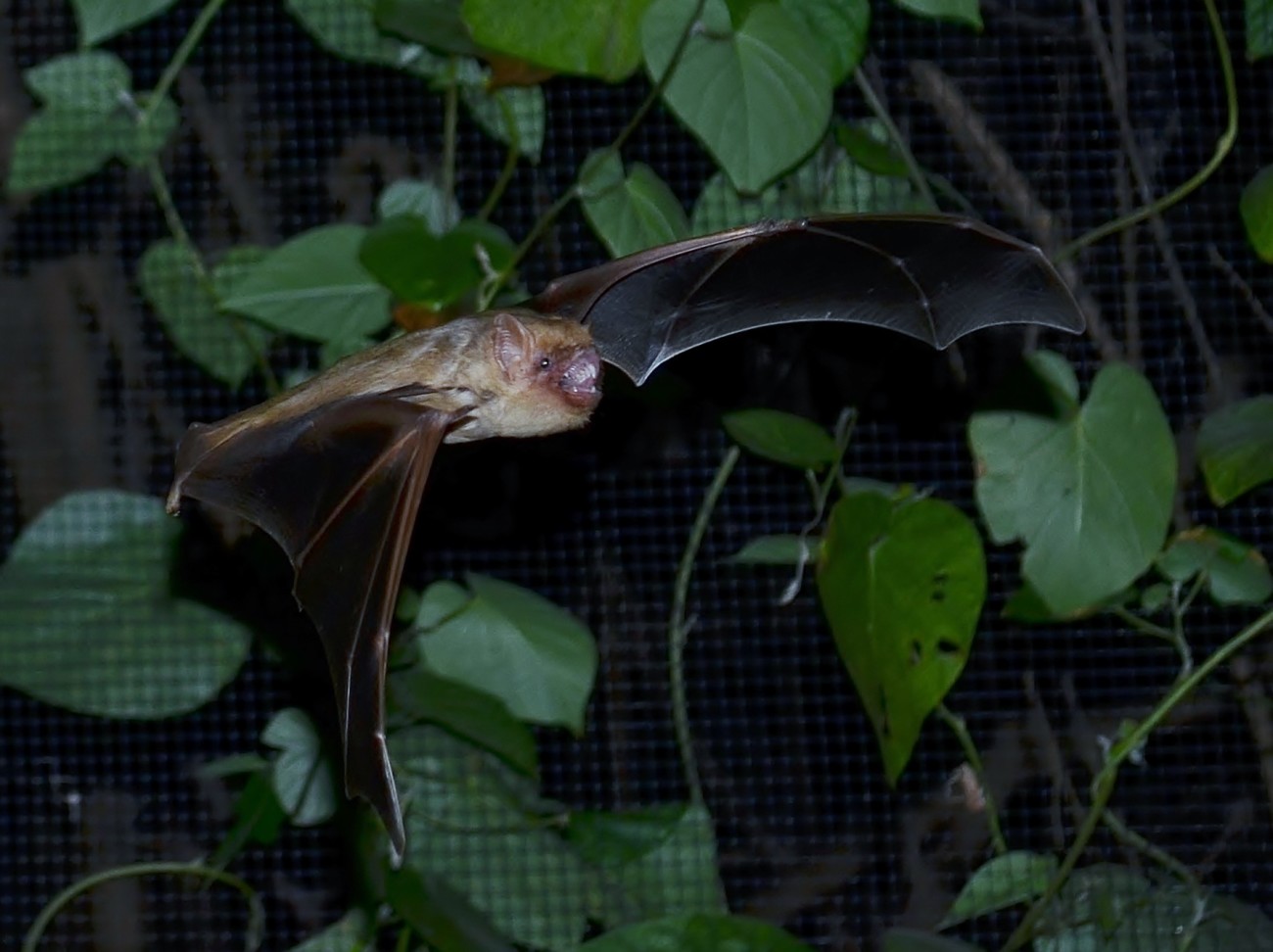
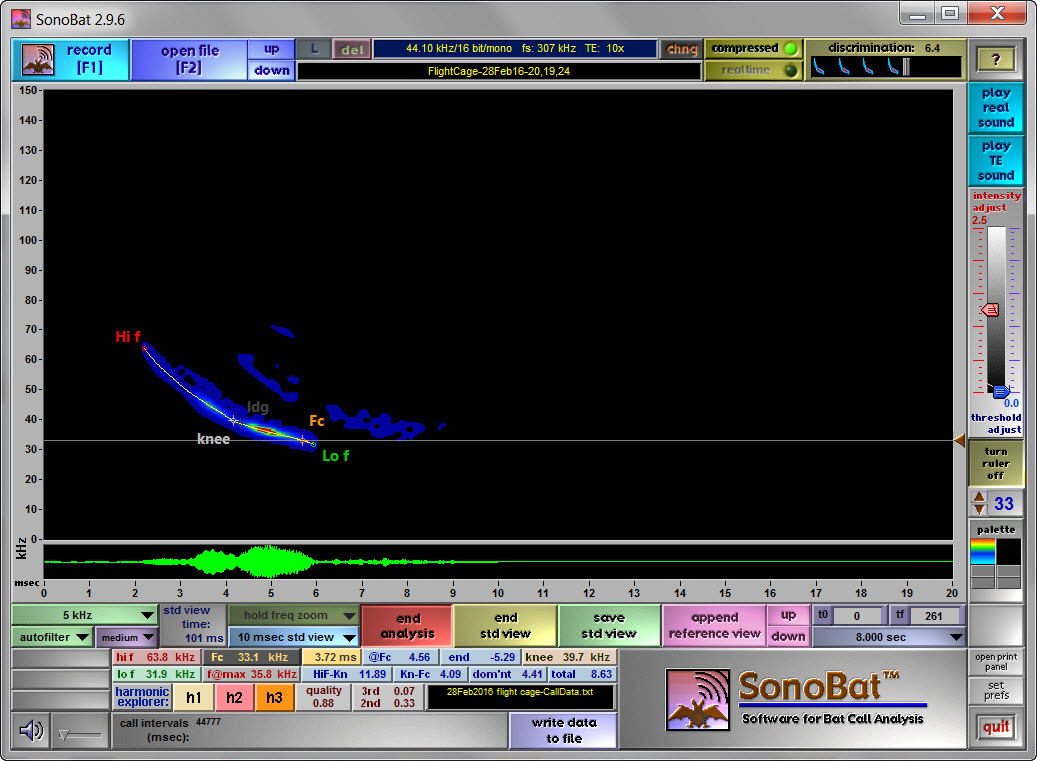
Yes she has teeth, but she’s not snarling, just echolocating, to see in the dark and to find one of the juicy moths or beetles flying about the enclosure. After parsing many call sequences from that evening, we analyzed this one call out of a call sequence we think is hers. Many of our local species, including yellows are not in standard call libraries, but this call is similar to others we have recorded from northern yellows. We hope to get a voucher call when she is released soon. Voucher calls are recorded from a hand-released bat when no others are flying in the immediate vicinity. They form the basis of call libraries and that is what we’ll use to develop our own.
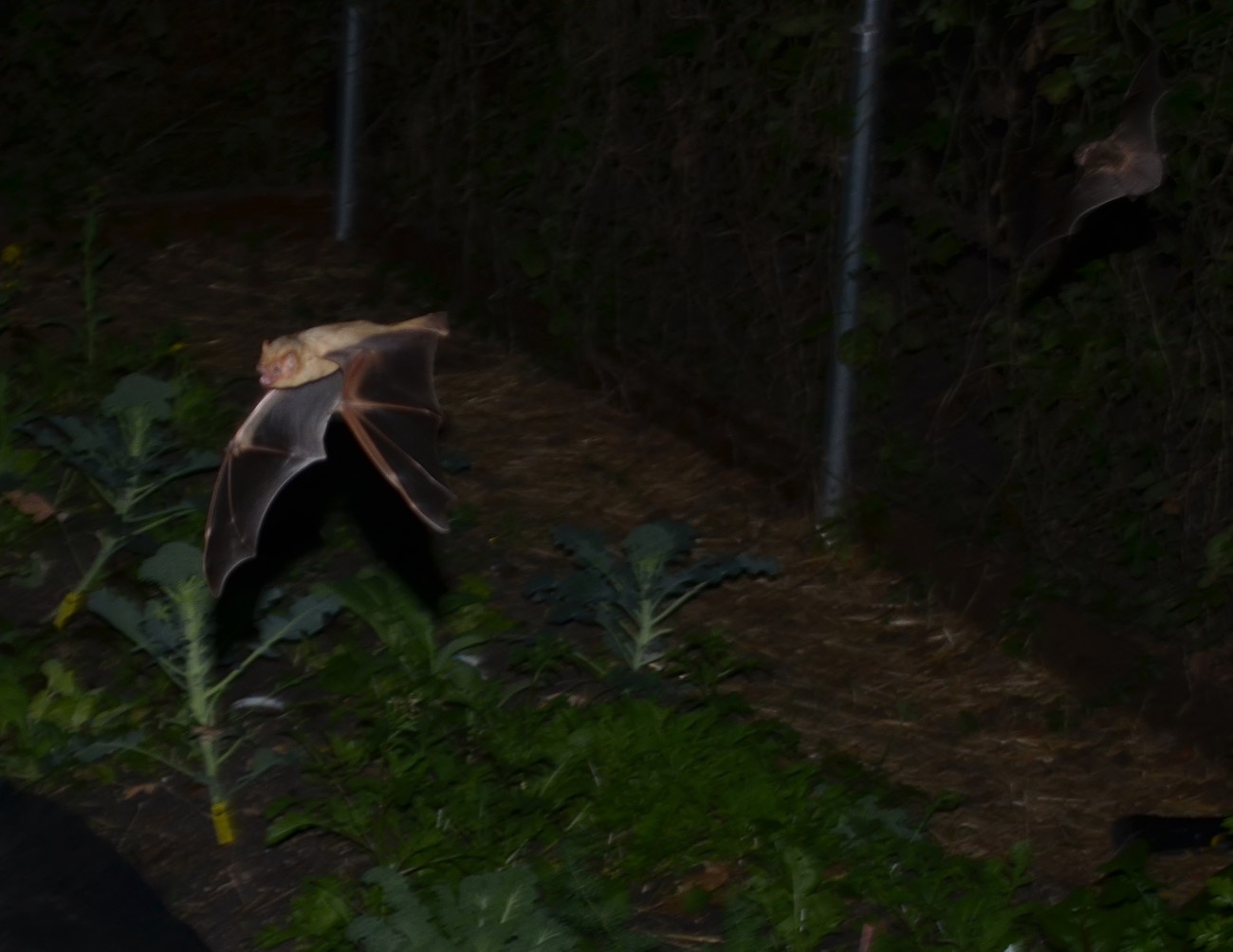
Northern yellow bats are awesome creatures. At 28.3 grams, she is three times the weight of the velifer in the upper right of the photo. Check out those beautiful broad wings. We’re so lucky to have them in Austin! Let’s help them out by not trimming the skirt of dead fronds under the green crown of our palm trees. They have evolved to blend in perfectly with that habitat. They feel so secure there, that they are slow to awaken from torpor, and often plummet to the ground when the dead fronds are trimmed.
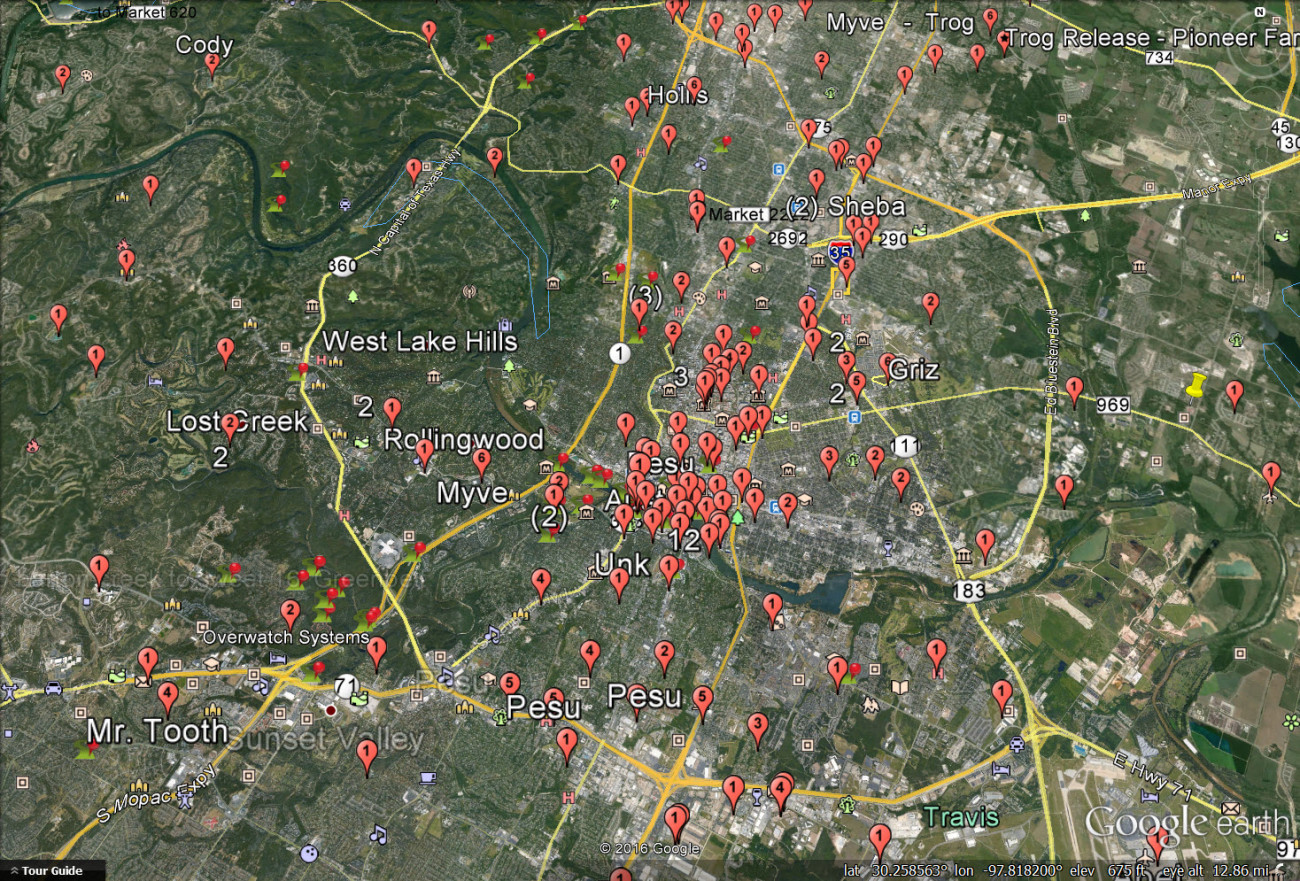
Here’s a compilation of our local rehabilitation intakes. Lots of overlap downtown obscures pins. So many people went out of their way to help these bats! Thank you all so much.
Key is 1-Mexican free-tailed, 2- Eastern red bat, 3- Northern yellow, 4- Evening bat, 5- Tri-colored bat, 6- Cave myotis, 7- Southern yellow bat, 8- Seminole bat
We have photographic evidence that our wonderful Myotis velifer, Mothra, can catch her own food on the wing. She’s sure come a long way since we got here as a neo-nate last summer. Love this bat!
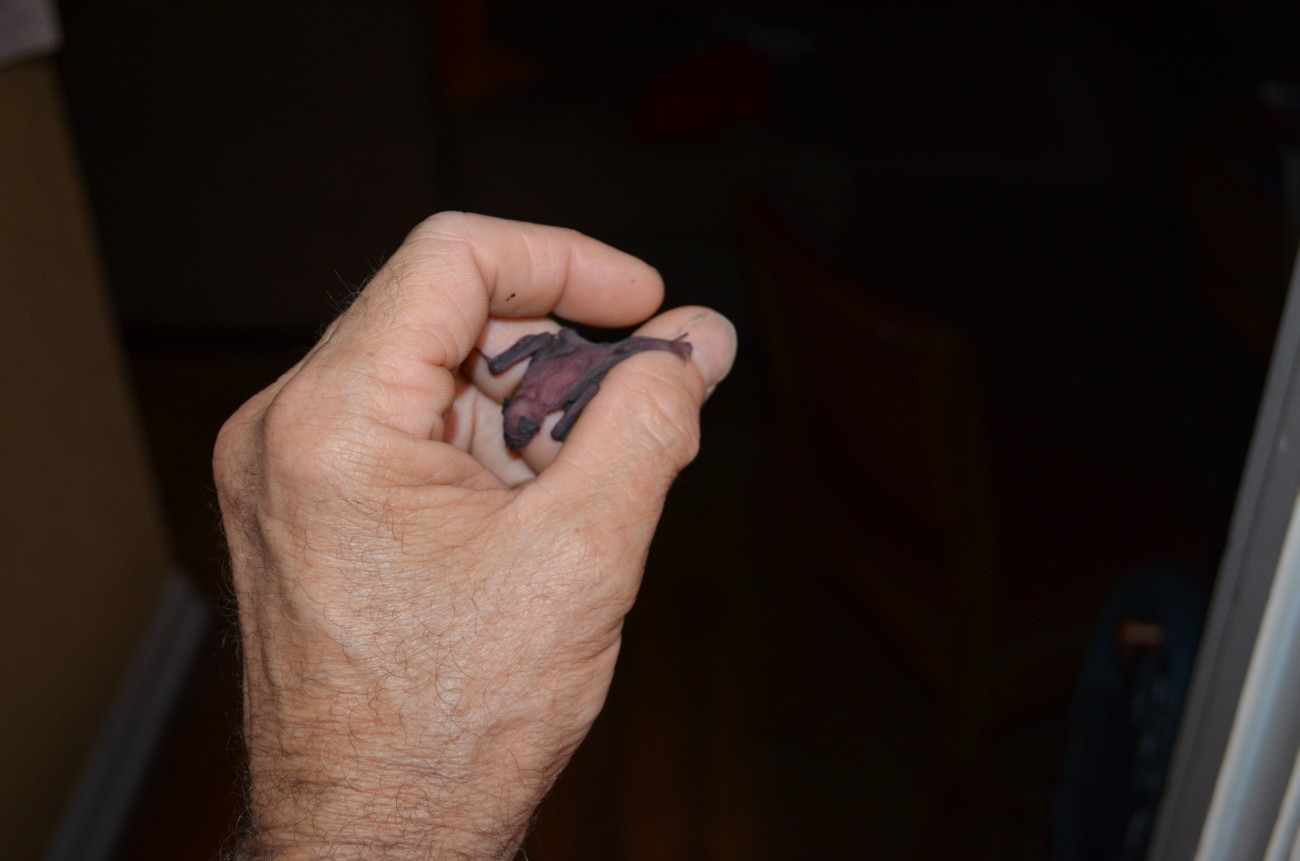
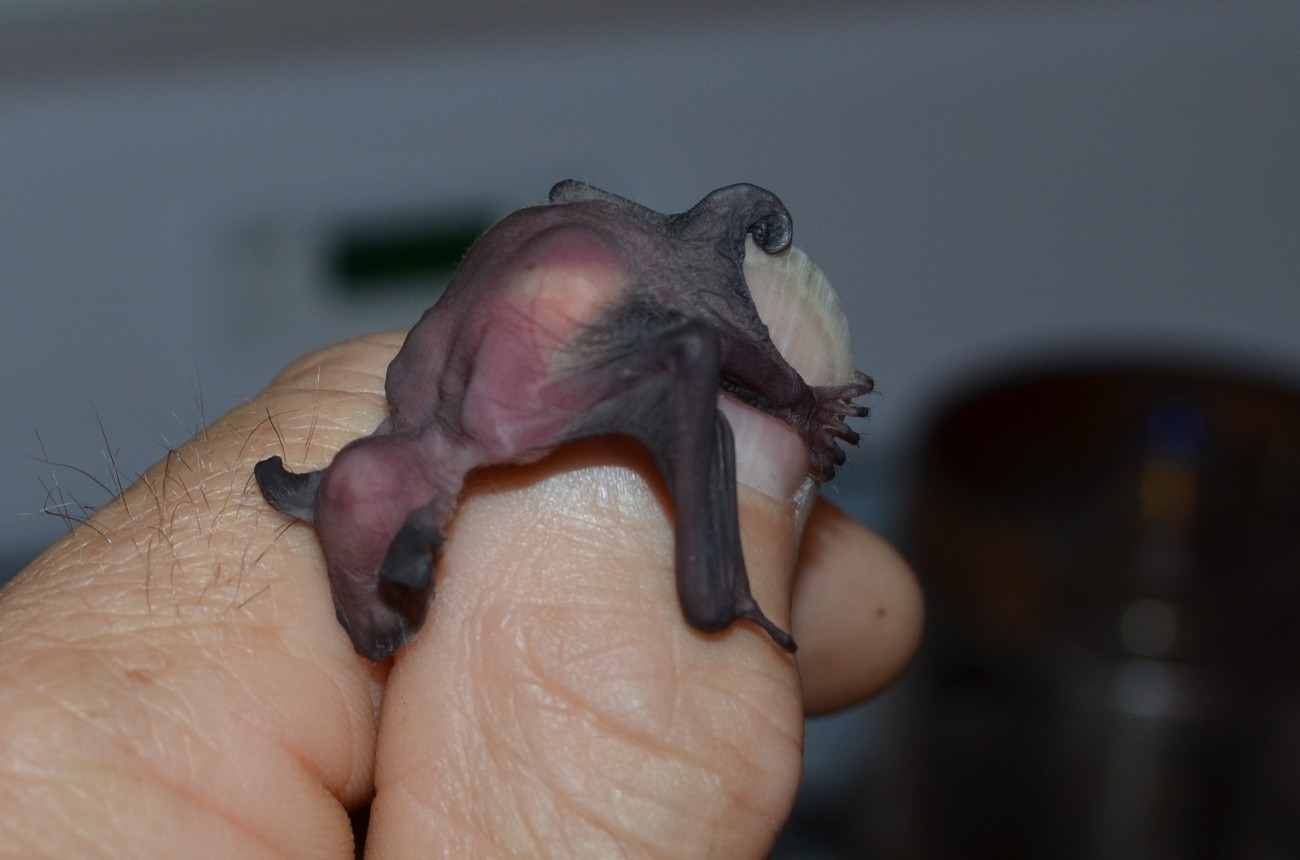
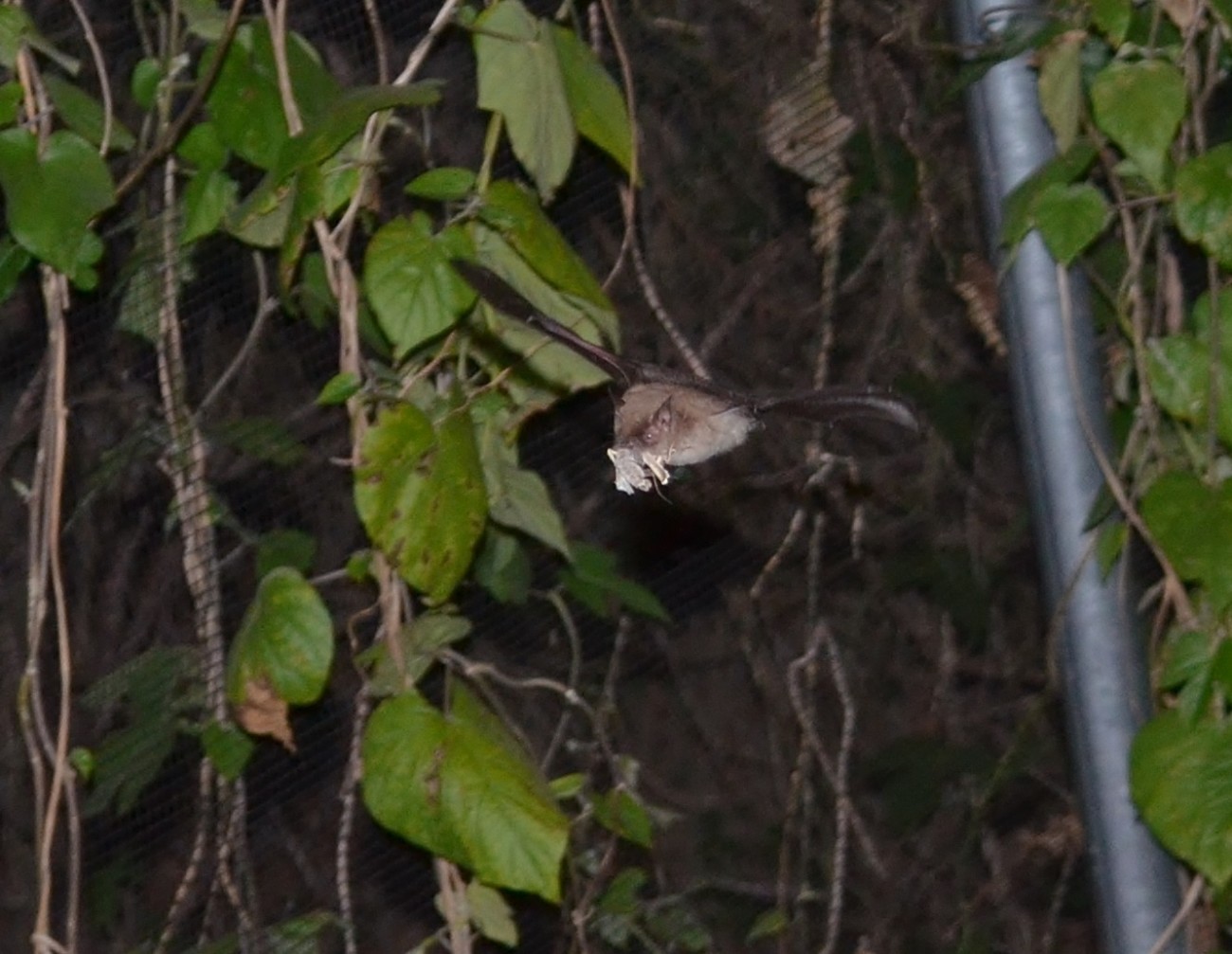
Our over-winter evening bat guests have been shredding the flight cage the last few nights. First clear night we’ll wait till the flyers are hunting in the flight cage, then we’ll take the non-volants out of the bat box and put them in a pup tent. The next morning we’ll have only flyers in the box and we can gather them for release. These are very cool little bats!
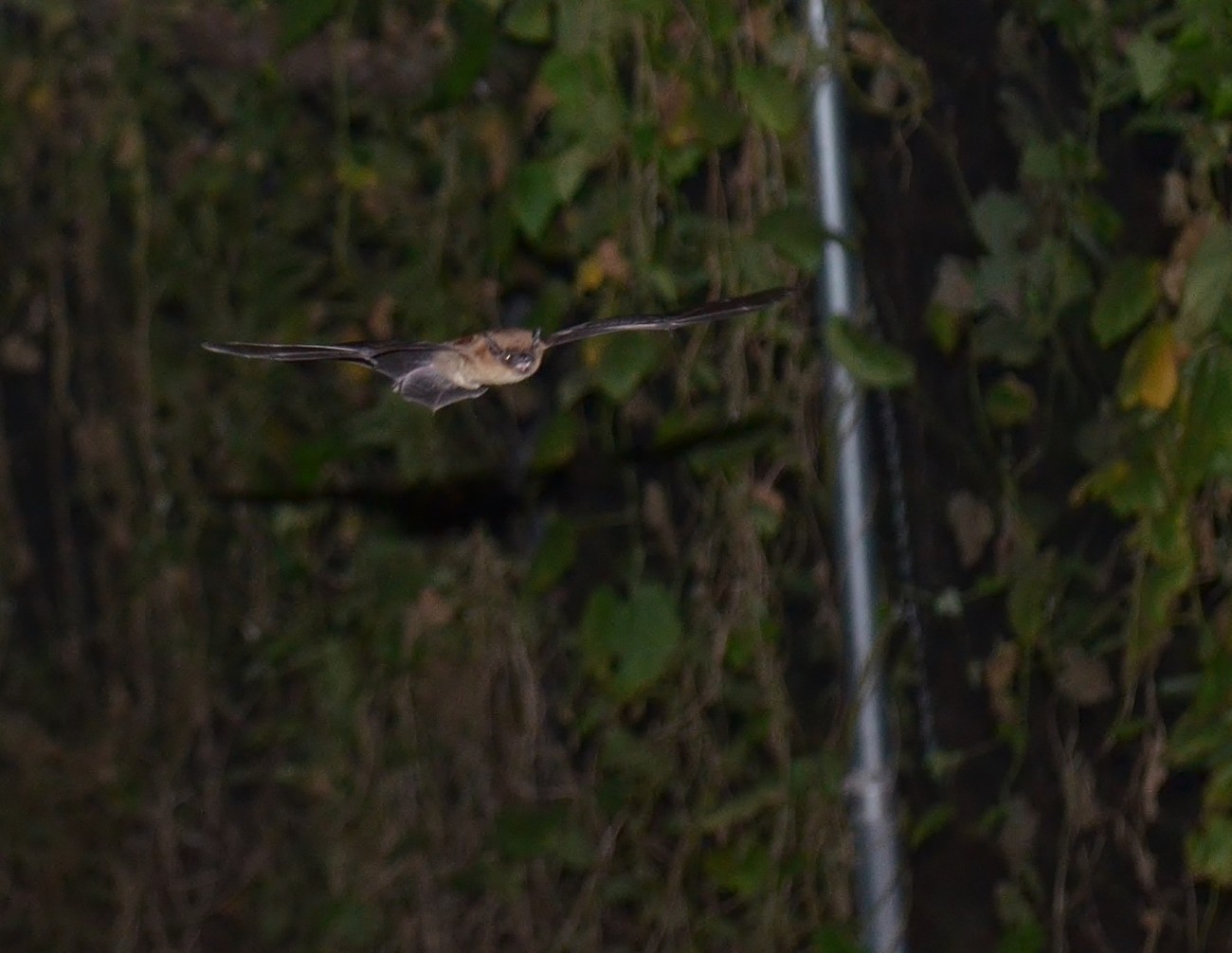
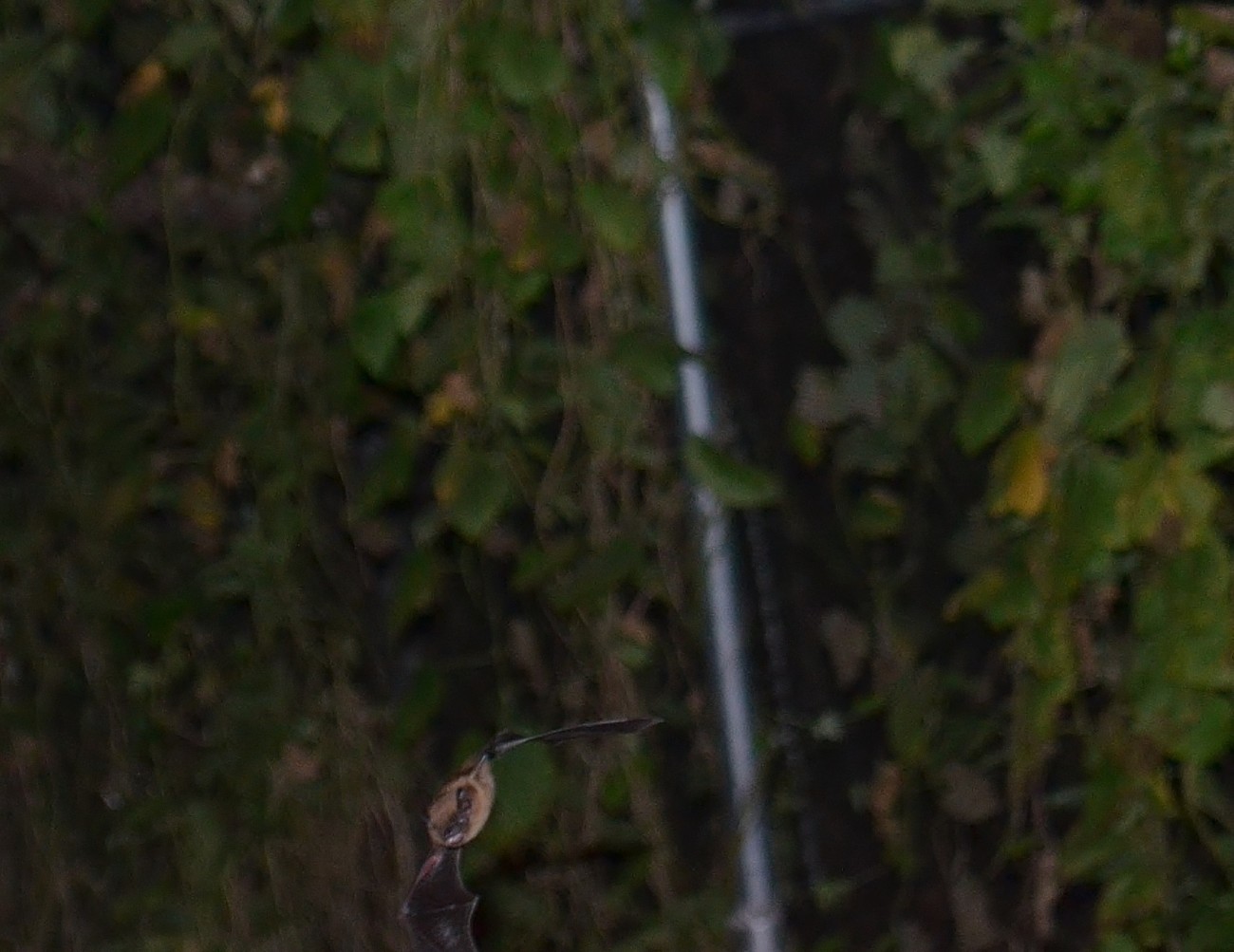
Great talk yesterday by Inga Geipel of the Smithsonian Tropical Research Institute Panama titled: “Bats: Finding prey through sound – two ends of an acoustic spectrum”.
On one end of the spectrum: Trachops cirrhosus, the fringe-lipped bat, a passive listener which waits for its frog prey to call and make itself known.
On the other end of the spectrum: Micronycteris microtis, an active listener which uses echolocation to seek out it’s dragonfly prey in the jungle understory.
Inga and her collaborators at STRI utilize an impressive array of instrumentation to document how each of these bats make a living. It’s always fascinating to see the results of their latest study and hearing about what they are dreaming up next!