Rehabilitation
What is Bat Rehabilitation?
Simply put: When a bat gets injured, we help them get back to the wild with expert care from our certified wildlife rehabilitators, interns, and volunteers. Each bat’s rehab journey is unique, but usually follows the same process: Intake, Critical Care, Observation, Re-wilding, and finally, Release!
Austin Bat Refuge is the alternative to euthanasia for bats. We work with several other organizations who may not otherwise have the time, bandwidth, or specialized knowledge to care for bats.
Step 1: Intake
Transport and Triage
The first step begins in with you. All of the bats in our care come from people in our community who have found an injured bat in their yard, home, or while they’re out enjoying nature.
When we get a bat call we coordinate drop-off at the refuge, or send one of our volunteers to safely transport the bat.
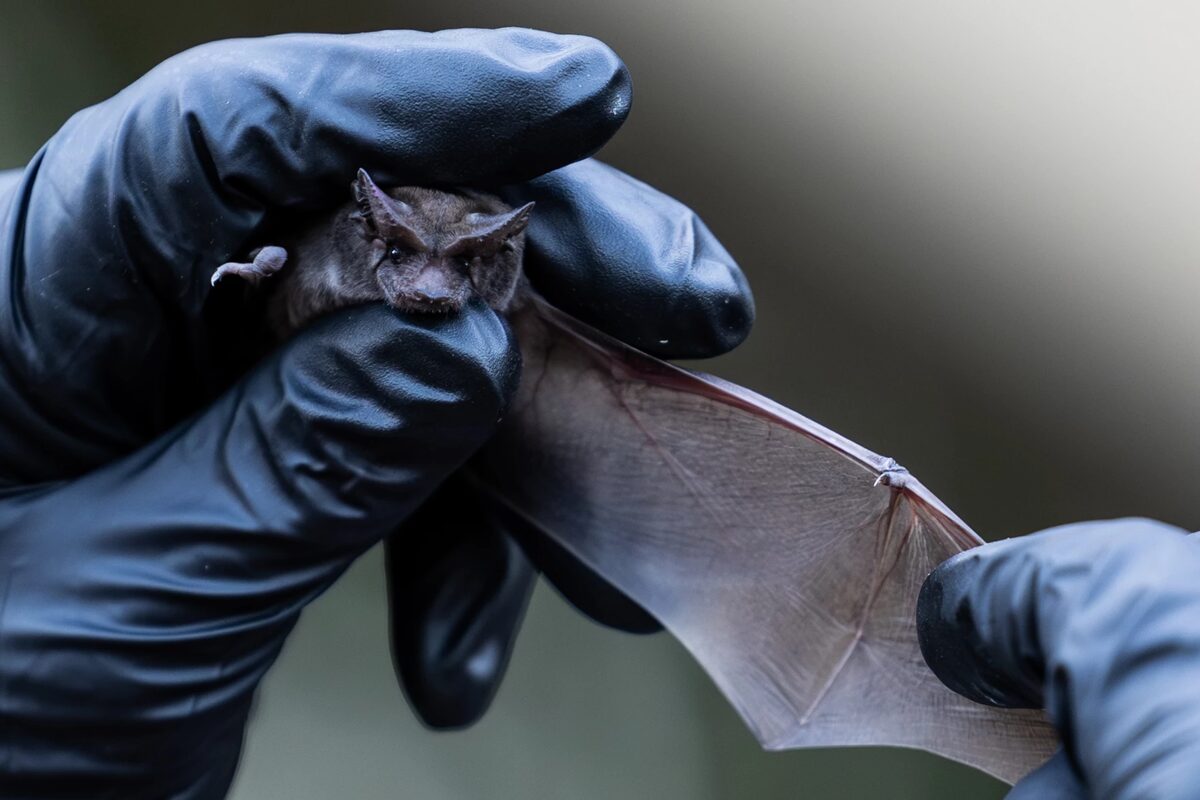
Once a bat arrives at Austin Bat Refuge, our Certified Wildlife Rehabilitators assess it for injuries.
The most common intakes we see are:
- Concussions
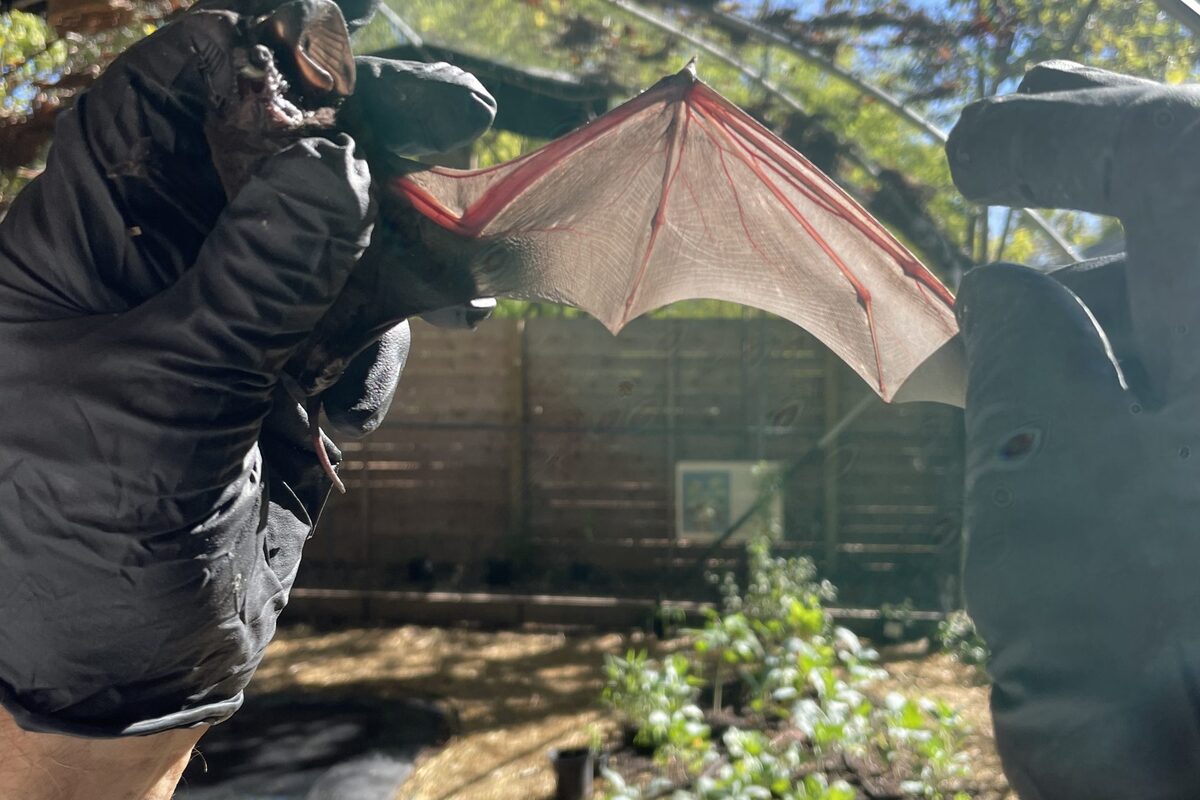
- Broken or torn wings
- Internal bleeding
- Dehydration
- Orphaned bat pups
When the bat has been stabilized and given fluids, it is given a name, placed in an individual mesh habitat, and placed in our bat studio for the next step.
Step 2: Critical Care
Veterinary Procedures and Monitoring
During the critical care period, we act quickly to address injury and pain management and monitor closely for signs of distress or other illness.
While many bats simply need to be fed, rehydrated, and sent back on their way, many need more in-depth care.
Because of the wide range of injuries we see, critical care is highly complicated and unique to each bat. Bats with broken wings, wounds, or internal bleeding may need surgeries, medicine and pain management. Bats with concussions need to be monitored for neurological issues. Neonatal orphans need to stay in an incubator for several weeks while being fed formula every two hours, day and night.
Most bats move through the critical care period within weeks, however some bats may take months to recover due to complications.
Step 3: Observation
Recovery and Strengthening
Once bats have advanced through Critical Care, our staff and volunteers work on helping them regain their strength.
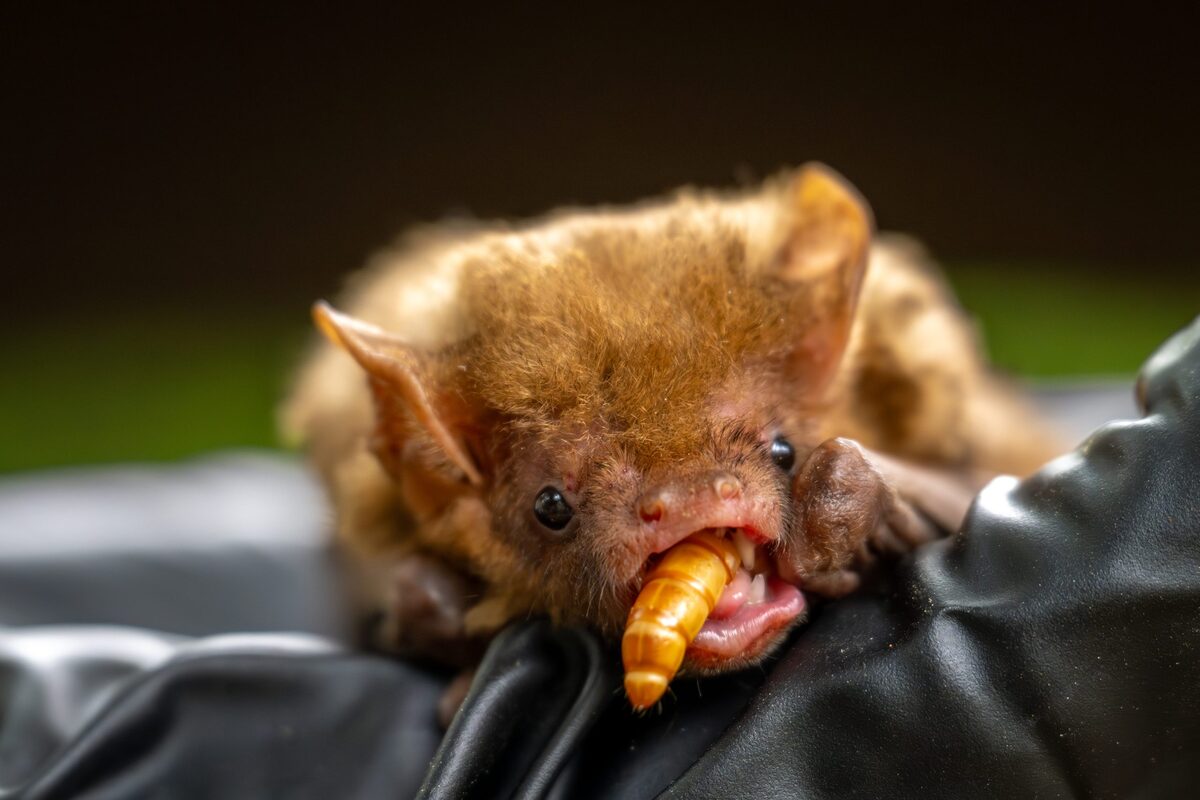
Each day, they are hand-fed a nutritious mixture of mealworms and vitamin powder. During feeding, they get time outside of their recovery enclosure where where we check their overall demeanor, wing health, hydration, and wound healing. Some bats begin to show complications during this time, and move back into Critical Care.
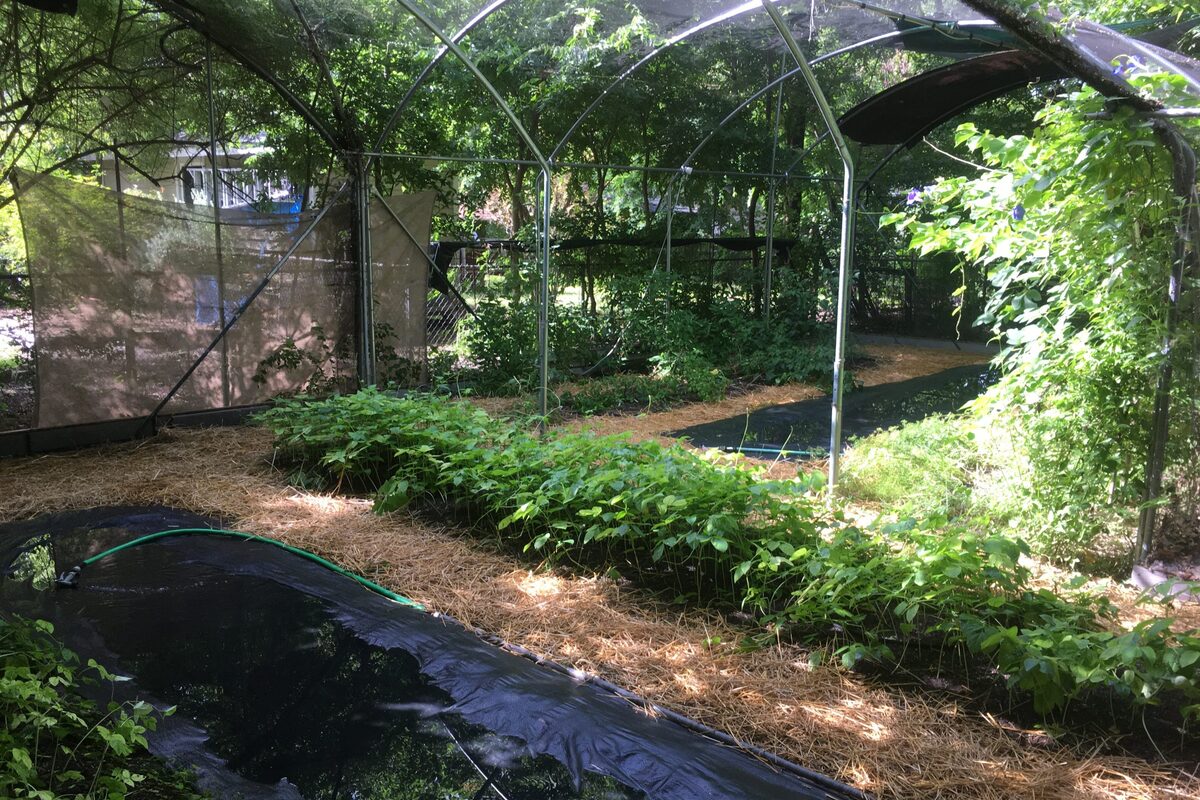
When we’re confident that they’re eating well and healing well, we begin giving them monitored time for free flight in our spacious flight enclosure, so they can begin climbing and stretching their wings before going back into their recovery enclosure for the night.
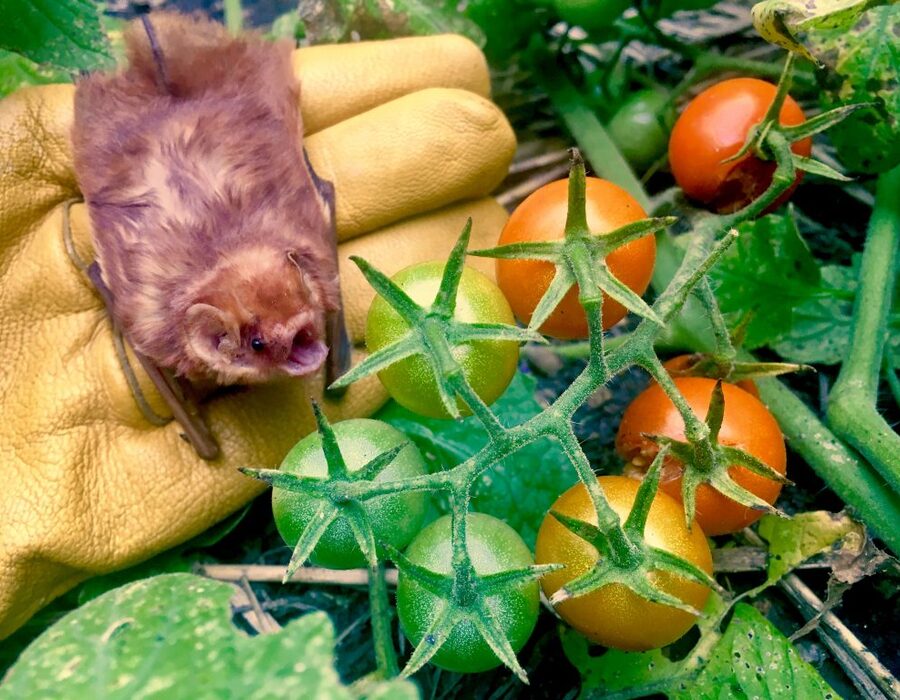
Photo: Amanda Stronza, ABR Volunteer